45 years of Watsu in Rehabilitation, SPA, Sport and more.
Practice and science of Aquatics, bodywork and wellbeing.
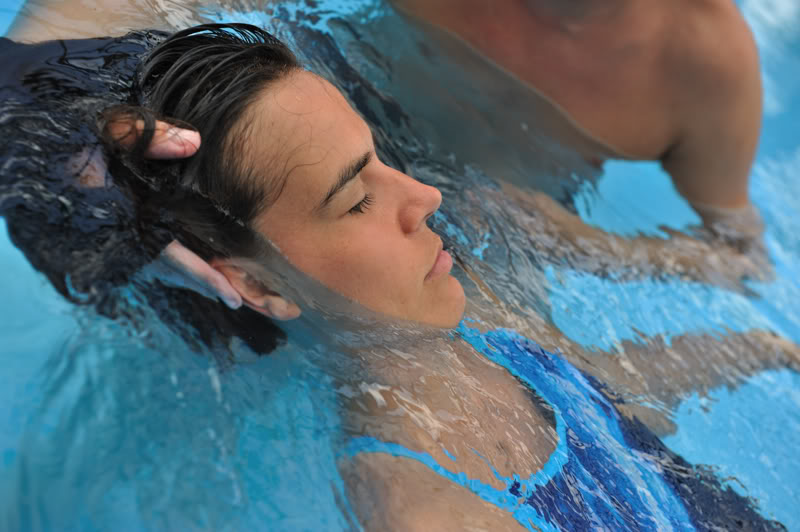
The water is the life
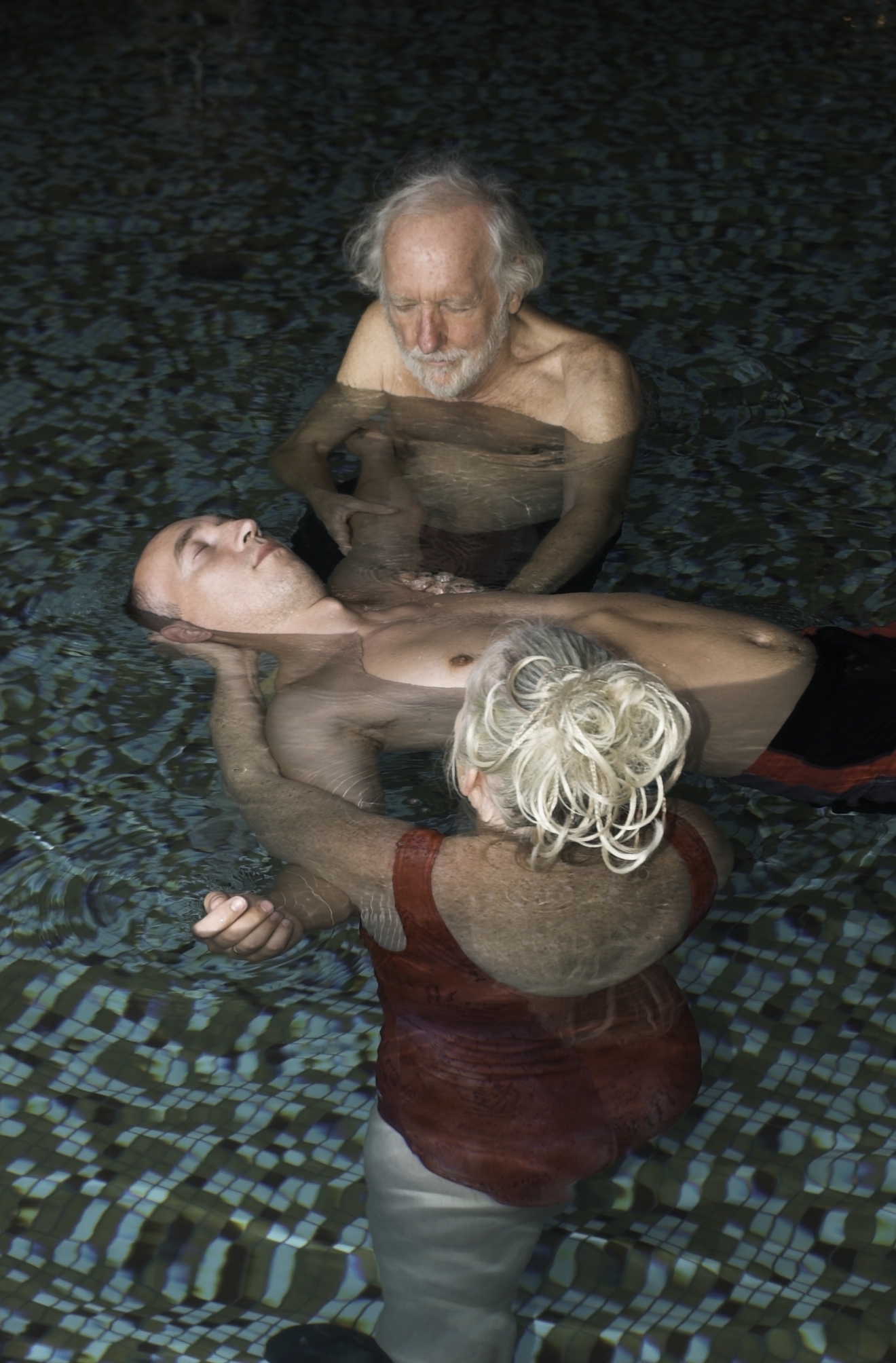
Watsu® Therapy, a unique bodywork that uses water to heal the body& mind, which have multiple applications in rehabilitation, SPA, sport and beyond – is the core for presenting science and practice during the conference. The topics are much wider…
Honorary Patronage
- Prof. Andrzej Klimek, MD, PhD – Rector of the University of Physical Education in Kraków
- Łukasz Smółka – Marshal of the Małopolska Region
Honorary Committee
- Prof. Dr. Robert Schleip – University of Ulm, Fascia Research Group.
- Dr hab. Agnieszka Jankowicz-Szymańska – Vice-Rector for Research and Development at the Tarnów Academy.
- Anita Włodarczyk – Olympic & World Champion, World Record Holder.
- Anna Szotek-Bassa – President of Aquatic Therapy Development Association Watsu Polska.
Organizing Committee
- Tomasz Zagórski – Senior Watsu Instructor & Coach Advisor, Watsu Polska & WABA co-founder.
- Natalia Zagórska – President of Fundacja Europejskie Centrum Watsu im. Harolda Dulla.
- Steve Fernandez – Water Therapy Iceland.
Speakers
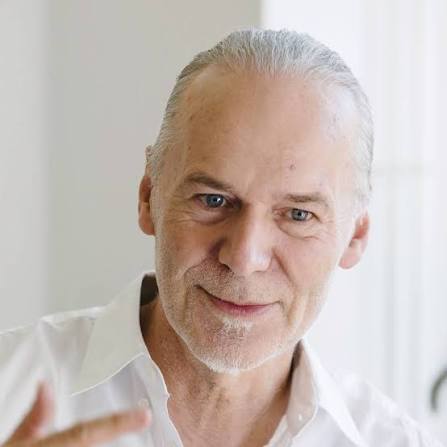
Prof Robert Schleip (GER)
Topic: How fascia behaves in water?
Biography: Robert Schleip is a human biologist and psychologist with expertise in fascia research.
Schleip is one of the leading fascia researchers worldwide and is the Director of the Fascia Research Group at the University of Ulm. He has had a long clinical and teaching career as a body therapist with Rolfing and other modalities. He has also given presentations and lectures on the subject of fascia and its role in movement, somatic dysfunction, and pain.
Robert Schleip is the author of several books on fascia, including “Fascia, The Tensional Network of the Human Body”, “Fascial Fitness: How to Be Vital, Elastic and Dynamic in Everyday Life and Sport” and “Fascia in Sport and Movement”
Schleip has contributed significantly to our understanding of the human body’s structure and function, particularly in the area of fascia research. See more here.
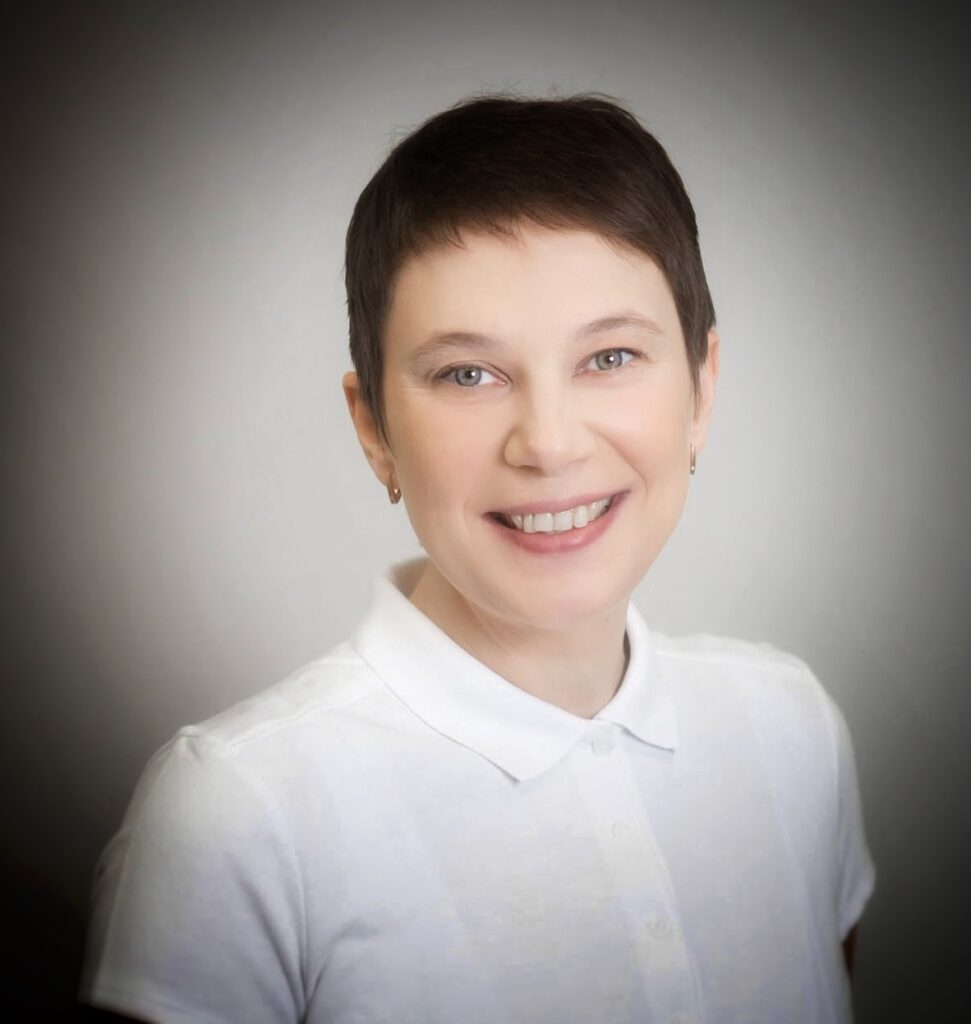
Dr Julia Andrejeva (LTV)
Topic: WATSU and Multiple Sclerosis, practical and scientific thoughts about WATSU from Physiotherapy prospective.
Biography: see ful biography
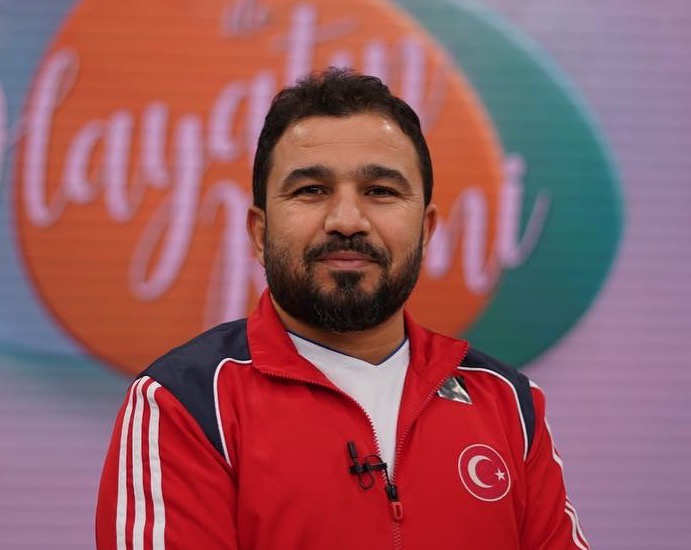
Dr Duran Arslan (TUR)
Topic: Application of Aquatic Therapy in training of Paralympic athletes.
Biography: the national team coach in Türkiye’s paraswimming and paratriathlon sports branches, Watsu Practitioner, Watsu 1 Instructor, have been providing professional swimming training to people with special needs for 15 years. He has 2 doctorates on aquatic exercises.
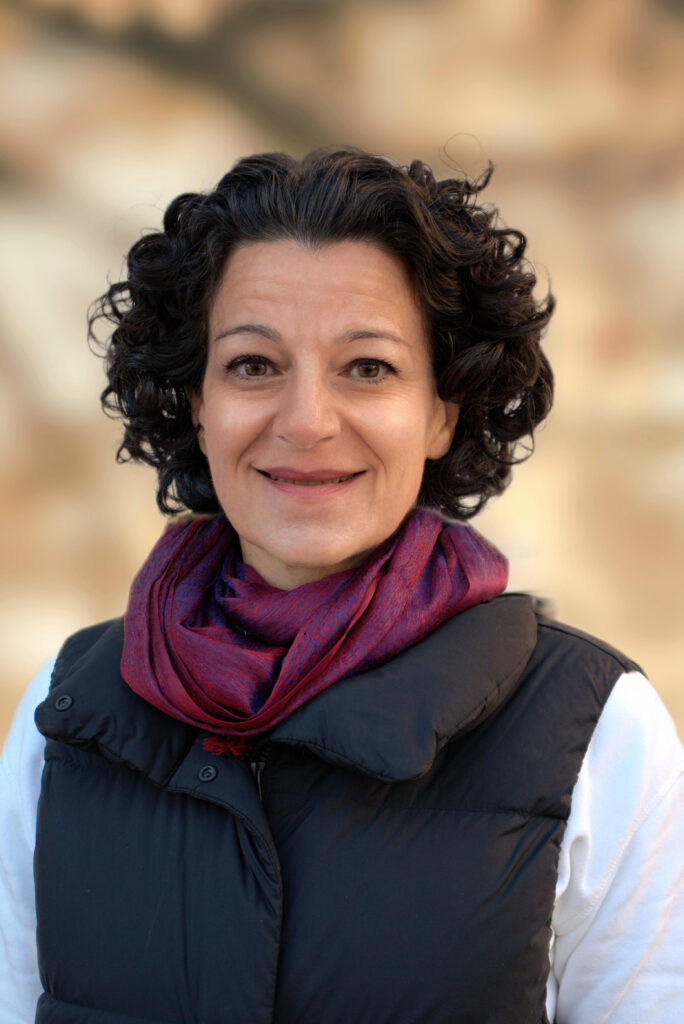
Maria Gerondoudis (RSA)
Topic: Treating Frozen Shoulder with Geron Hydrotherapy.
Abstract: see here
Biography: Maria – Hydrotherapist, Educator, and Innovator
Maria is a passionate and experienced hydrotherapist who has spent over 20 years helping people heal and move better through water. Born in South Africa to Greek parents, she’s a pioneer in the field of aquatic therapy and the founder of Geron Hydrotherapy—a unique approach that’s changing how we treat pain and movement challenges.
Her techniques, developed for both pain conditions and sports injuries, combine active and passive methods that are now used by healthcare professionals. Maria’s work has been recognised by medical and rehabilitation professionals for its effectiveness and innovation.
For 10 years, Maria led the Hydrotherapy Program at the Sports Medicine Centre of the Morningside Medi Clinic in Sandton, a premier multi-disciplinary sports medicine facility serving both professional athletes and the general public. Under the leadership of Prof Jon Patricios, the centre provided rehabilitation and recovery for many of South Africa’s national and professional sports teams.
In 2018, Maria opened a state-of-the-art hydrotherapy facility in Sandton, offering patients access to both a cutting-edge therapeutic environment and world-class techniques to ensure optimal outcomes. At the heart of everything she does is one priority: exceptional patient care.
Maria now teaches for Wits University and the Geron Institute. She has presented at leading global conferences and institutions including the University of Johannesburg, Wits University, the Geron Institute, the Chevrah Kadisha,and the Nuffield Department of Orthopaedics at the University of Oxford.
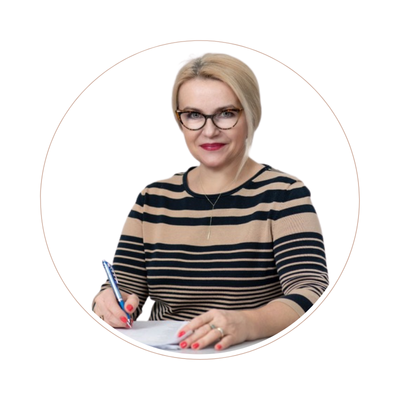
Małgorzata Łukowicz, MD, PhD, DSc (POL)
Topic: Balneotherapy in Poland.
Biography: Deputy Director for Medical Affairs at the 23rd Military Rehabilitation Hospital (23 WSzUR SP ZOZ) in Lądek-Zdrój.
I graduated from the Faculty of Medicine at the Medical Academy in Bydgoszcz in 1996, and on November 1, 1996, I began working at the Department and Clinic of Rehabilitation at the same institution. I conducted teaching and research activities at the Faculty of Medicine in Bydgoszcz and subsequently at the Faculty of Health Sciences at Collegium Medicum in Bydgoszcz, teaching students in medicine, physiotherapy, nursing, and cosmetology. I have supervised over 100 master’s theses and four doctoral dissertations, and have served as a reviewer for numerous doctoral and habilitation theses. I subsequently worked at the Faculty of Rehabilitation at the University of Physical Education in Warsaw. I served as Head of the Department of Rehabilitation and am currently Head of the Rehabilitation Clinic at the Centre of Postgraduate Medical Education (CMKP) in Warsaw, where I have been involved in the postgraduate training of physicians for many years. For many years, I have served as a director of specialization courses for physicians and have also participated in conducting specialization courses in the field of physiotherapy. My research activities have focused on evaluating the efficacy of neurological rehabilitation and physical medicine. Concurrently, I have developed my professional skills through numerous courses, including training in PNF, Vojta, and McKenzie methods, manual therapy, kinesiology taping, and the performance of densitometric and neurophysiological examinations. For over 20 years, I have performed neurophysiological tests (EMG, ENG) and administered botulinum toxin therapy for spasticity, dystonia, and migraines; furthermore, having undergone training myself, I now conduct training sessions on treating musculoskeletal disorders with tropocollagen. My career includes work in inpatient rehabilitation wards and outpatient rehabilitation clinics; since 2013, I have worked in day-rehabilitation units. I participated in organizing a new rehabilitation clinic in Bydgoszcz, subsequently reorganized the Rehabilitation Department at the MSWiA facility in Bydgoszcz, restructured operations at the Rehabilitation Clinic of the Children’s Memorial Health Institute (IP CZD) starting in 2014, and—since 2020—have been involved in establishing the new Rehabilitation Clinic at the Centre of Postgraduate Medical Education (CMKP). I possess extensive organizational experience and have held leadership positions in rehabilitation facilities for over two decades. I was appointed to an AOTMiT expert panel tasked with working on changes to medical rehabilitation, serving on teams focused on neurological and pediatric rehabilitation. I worked on an EU-funded project at CIOP developing the ICF framework for vocational rehabilitation. I participated in the “From Science to Business” EU project at Nicolaus Copernicus University in Toruń and completed entrepreneurship training in 2012. I was a member of a team appointed by the CMKP in 2021 to revise the medical rehabilitation specialization curriculum.
From 2022 to 2024, I served as the National Consultant in Medical Rehabilitation, promoting rehabilitation in Poland and performing advisory, consultative, and oversight functions for government administration bodies, healthcare providers, the National Health Fund (NFZ), and the Patient Ombudsman; I also participated in the work of committees and teams established to implement health policy. Primary areas of research and clinical work: neurological rehabilitation, spinal cord and traumatic brain injuries, neurophysiology, EMG and EP studies, developmental and neurodevelopmental disorders, treatment of spasticity, dystonia, and migraines with botulinum toxin, medical cannabis therapy, and treatment of musculoskeletal pain using tropocollagen. Experienced academic educator: 17 years at Collegium Medicum in Bydgoszcz; 5 years at the Elbląg University of Humanities and Economics; also taught at the University of Health Sciences in Bydgoszcz and the University of Physical Education (AWF) in Warsaw (6 years), covering medical rehabilitation (for medical students), physiotherapy, and rehabilitation nursing. Participated in developing the physiotherapy curriculum at Collegium Medicum (Nicolaus Copernicus University) in Bydgoszcz and in revising the 5-year physiotherapy curriculum at the University of Physical Education in Warsaw. Served as a member of the Scientific Council of the National Institute of Geriatrics, Rheumatology and Rehabilitation in Warsaw (2022–2025).
Author of over 60 conference abstracts and 33 book chapters and monograph sections; editor of the textbooks *Physiotherapy: Clinical and Biophysical Aspects* and *Manual Muscle Testing*; translator of medical textbooks from English.
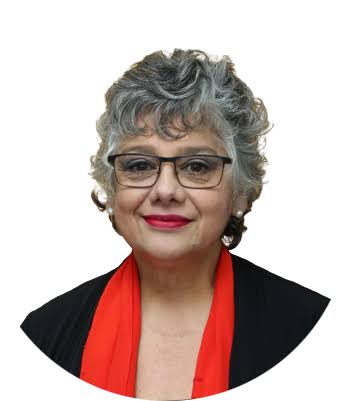
Fezia Tyebally (MAL) online
Topics: 1) Halliwick Across the Lifespan: Honoring Our Roots, Embracing Our Reach, 2)A Gaze, A Breath, A Ripple: The Unseen Foundations of Mouvement in Water.
Biography: Fezia is a trained Cranio sacral practitioner who specialises in working with adults and children with special needs. She’s is equally adept at meeting the muscle, cranial and spinal needs of ordinary or athletic patients. What sets her apart from other practitioners is how she weaves her various specialisations for a comprehensive treatment of each of her clients, by customising the blend of treatments required to ensure maximum impact on each client. Each specialisation was earned through her attendance of many courses, workshops, certification and programmes in Australia, Singapore, Hong Kong, United Kingdom and USA.
Generous in sharing her knowledge, she’s a certified lecturer for Aquatic University Seminars, ATU, USA for Paediatric and Geriatric courses, and a lecturer for the Halliwick Foundation course with the International Halliwick Association (IHA). She sits on the research and education committees of both IHA and the UK Association of Swimming Therapy (AST).
She is also a regular speaker at seminars and conferences on Aquatic Therapy.
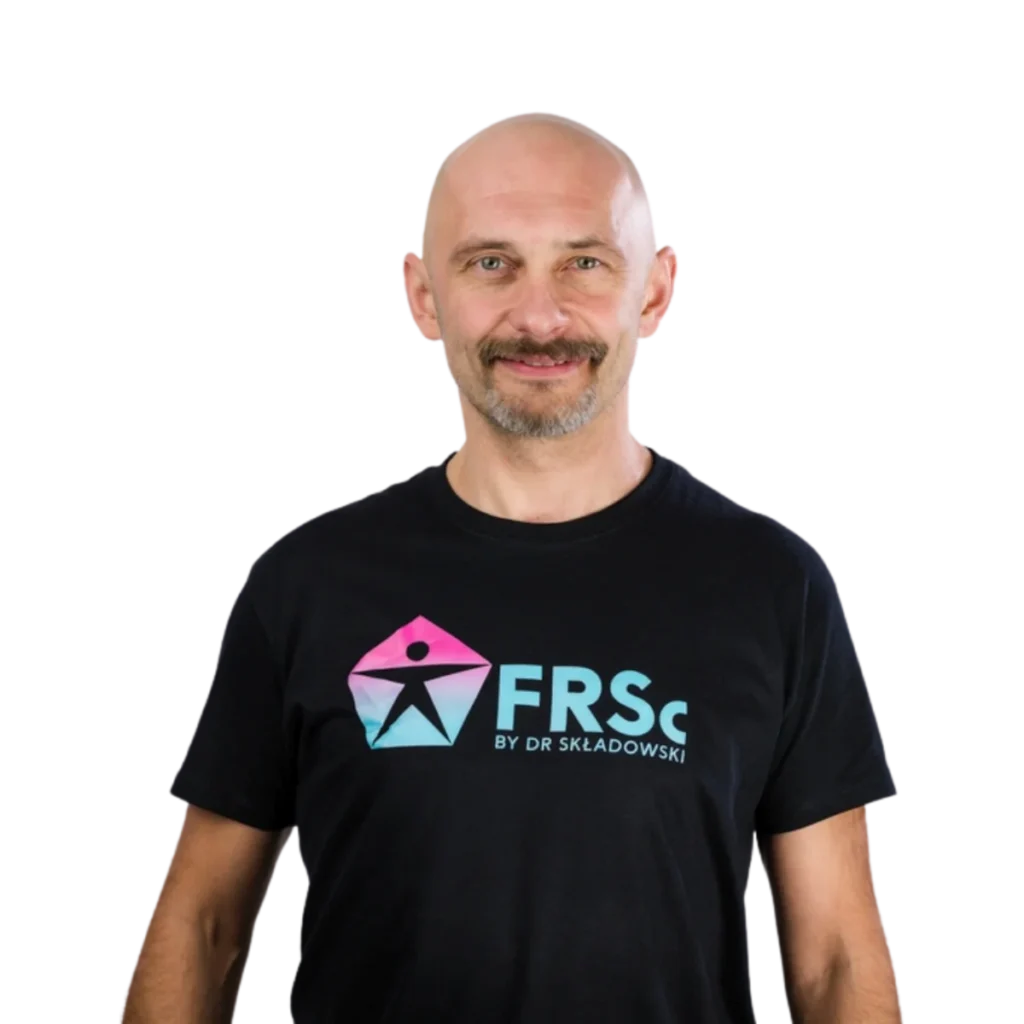
Dr Radosław Składowski (POL)
Topic: Five Regulatory Systems (FRSc)in speeding up recovery.
Biography: I am an orthopedist (practicing medicine since 1995, specializing in orthopedics since 1999). I have been professionally engaged in manual medicine since 2000. In 2006, I incorporated clavitherapy and its derivatives into my manual medicine practice. The fundamental principle of my therapy is to reverse musculoskeletal disorders by restoring the functions whose loss or impairment originally caused the conditions. Restoring proper function leads to recovery—sometimes even from diseases considered incurable.
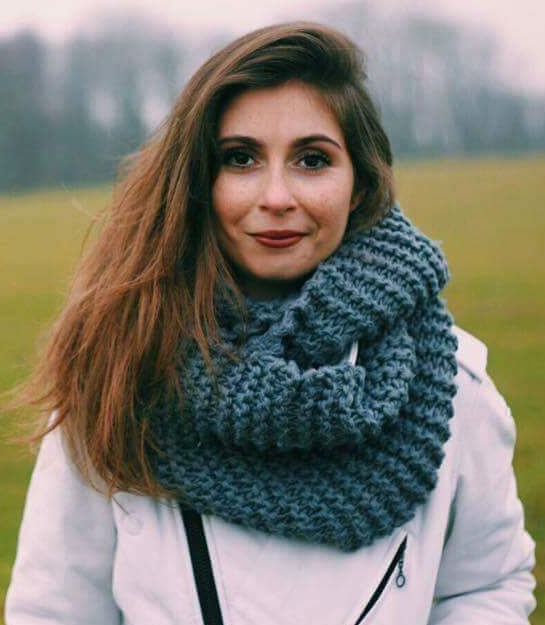
Dr Patricia Bacova (SVK)
Topic, bio: Watsu therapy as a work benefit for healthcare workers.
Biography: physiotherapist, Watsu Assistant and Watsu practitioner on the way to becoming a teacher of basic Watsu techniques. Co-founder of the Watsu Slovakia association and member of the newly established Aquaroots Čresko/Slovakia school. Born in the spa town of Piešťany, Slovakia.
My dream has always been to help people and work in water. For me, this mission is like finding something I have always been looking for.
I work at the Bulovka Clinic in Prague where I provide Watsu every working day not only for patients who were recommended by our doctors, but also for employees.
We created an online reservation system Amélia, through which employees can register for Watsu therapy. They have this therapy as a work benefit from their employer – two therapies a year fully reimbursed to employees.
From my point of view, it is very beneficial for them, even necessary, they use it a lot and are very happy to come back. Many people later purchase the therapy as a discounted package of 5 or 10 therapies for themselves or as a gift for others.
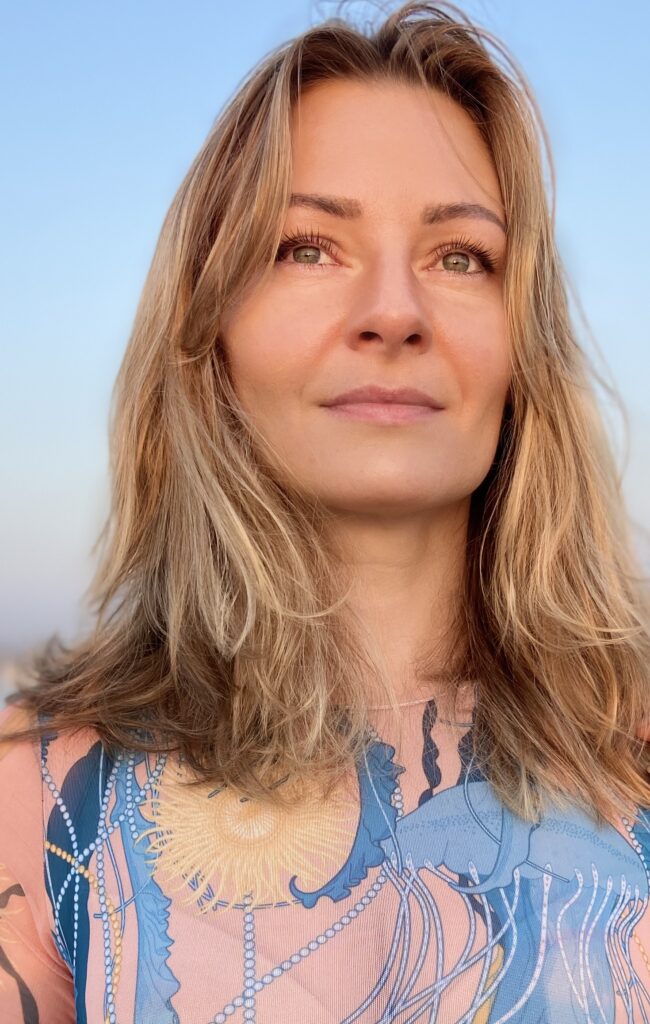
Svitlana Vishenska (UKR/UAE)
Topics: 1) Held by Water: Healing Trauma through Watsu and WaterDance. 2) The Essence of Waterdance and Why Psycho-Emotional Processes are Crucial to WATA.
Biography: Svitlana Vishenska, born in 1976. She is a Watsu and WaterDance practitioner, depth psychologist, and founder of Spirit of Freedom and Aqua Balance (UAE).
A graduate in Physical Education(1995)and Economics,(2000) she went on to train as a depth psychologist and certified Watsu practitioner (2024) and WaterDance practitioner (2026), building on 30 years of experience as a swimming coach.
Svitlana is a creator of her own signature swimming methodology. Through her private practice and wellness retreats, she applies the healing power of water to trauma, PTSD, and anxiety.
She was a speaker at the Longevity Summit India 2026 with a topic “Healing power of Water Therapy”and served as a WaterDance consultant on a feature film.
Her mission is to advance global awareness of the healing potential of water therapy. She is now working toward a documentary film that brings this message to a wider audience.
See all 26 Speakers / Hide
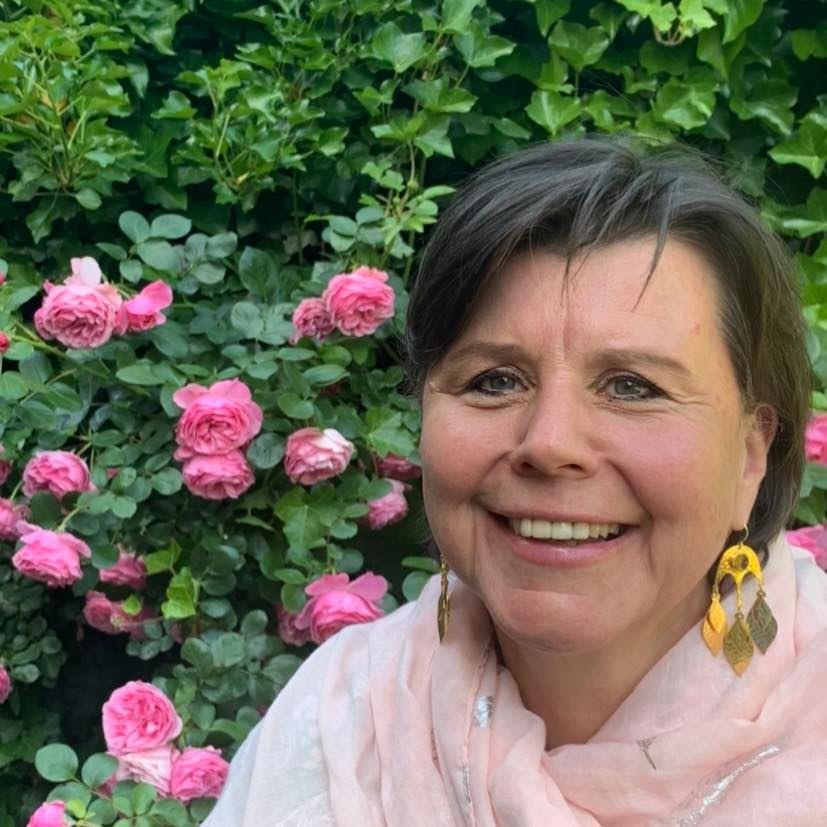
Françoise Jadin (BEL)
Topic: Topics: 1) Dealing with birth trauma in water – psychological approach. 2) The Essence of Waterdance and Why Psycho-Emotional Processes are Crucial to WATA.
Biography: Nurse and midwife
WATA : Practitioner and instructor of WATA FUNDAMENTAl, WATA 1 and 2, WATA Intégrétion
WATSU : Practitioner and instructor of WATSU FUNDAMENTAL
Psycho-energetic facilitator and teacher.
“After many years working in the medical world (natality and others) and in the social world, as a department manager, teacher and relationship coach, I received the gift of diving into the aquatic world of Arjana and its ability to invite everyone to move forward with gentleness and subtlety. I work with individuals (coaching, mind-body therapies, sophrology, archaic reflexes, etc.) and groups (trainer – supervisor) on a daily basis. At the same time, I have the pleasure of training psychotherapists in the techniques of neuro- and child psychiatrist Jean Lerminiaux: “La Libération du Ressenti” (sfp-formation.be).”
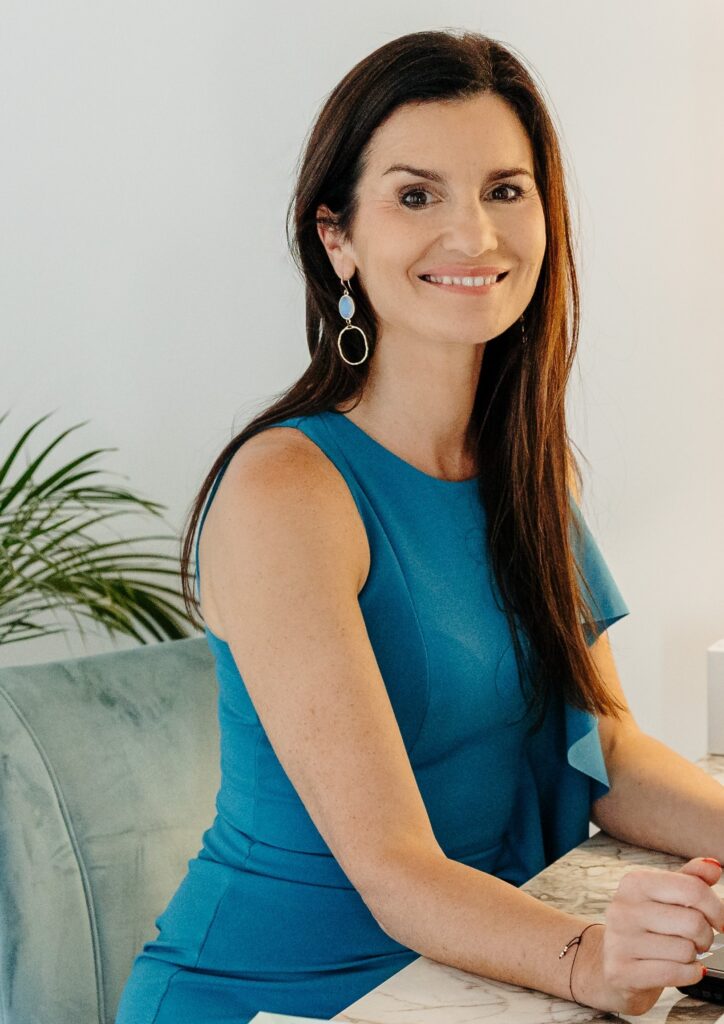
Dobrosława Kwiatkowska (POL)
Topic: Do microcurrent frequencies create a fourth state of water in living organisms?
Biography: She holds degrees in Psychosomatics and Somatopsychology, German Philology, and Public Relations, and completed the two-year “Healing Medicine” training program for physicians and therapists at the Institute of Integrative Medicine (Germany). She is a certified therapist specializing in information medicine and broad-spectrum microcurrent therapy (using TimeWaver Pro, Frequency, McMakin, and Healy systems) and serves as an instructor for the international TimeWaver Academy. She runs the “Healing Fields” holistic therapy practice in Poznań. She is a Member of the Advisory Board of the World Water Comunity, and the founder and president of the Polish Society for Information and Energy Medicine (PTMIE). She is the author of the book “Information and Energy Medicine: An Invitation to a Multidimensional View of the Human Being. A deep appreciation for the beauty and profound respect for Mother Nature have accompanied her since childhood. Water, as an inseparable part of nature and the source of life, fascinates her in particular. The role of water in microcurrent therapy is a subject she explores with great curiosity. Since 2018, she has participated in annual international conferences on water (Conference on the Physics, Chemistry & Biology of Water). In 2024, Dobrosława Kwiatkowska was honored to accept the invitation from Prof. Gerald H. Pollack to join the speakers of the 16th edition of this conference, where she delivered a lecture in Lisbon about the connection of microcurrent treatment and the EZ-water. Since we are largely composed of water, exploring the nature of this fascinating substance brings her closer to answering the question: who are we as human beings?
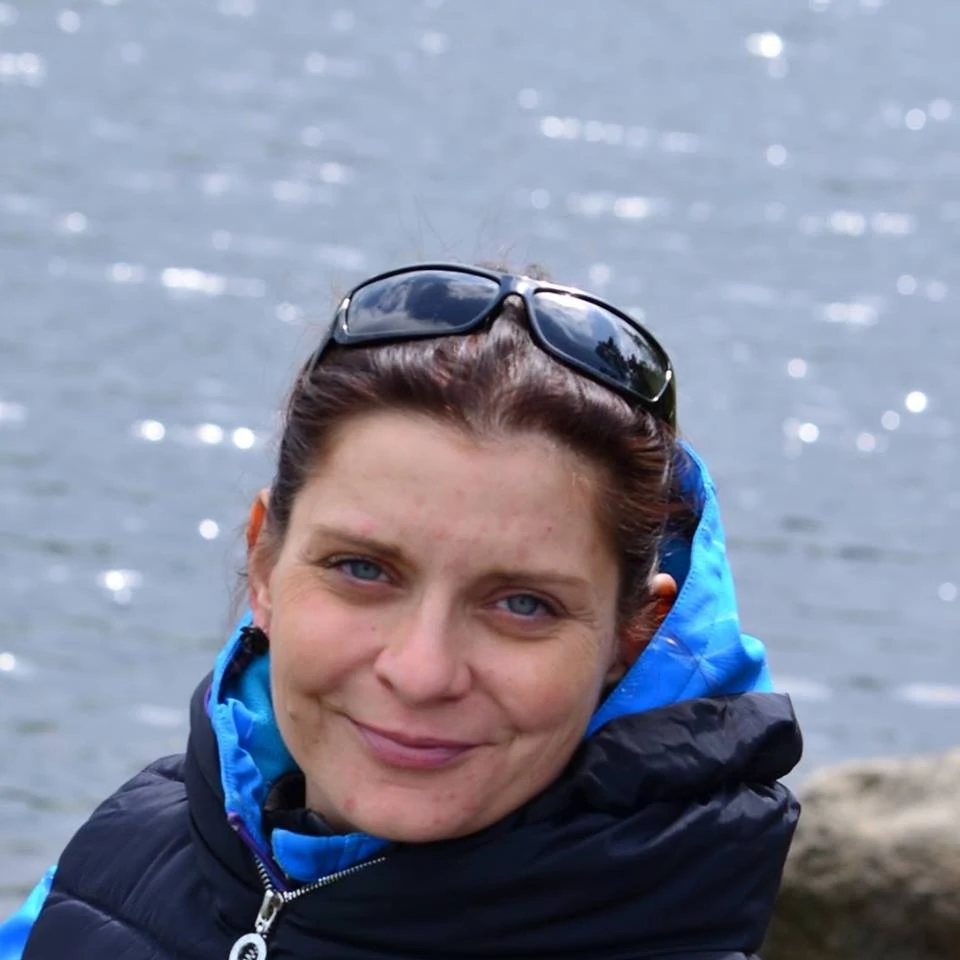
Renata Tjenska (CZE)
Topic:Watsu from a perspective of Practitioner and academic teacher.
Biography: In 1999, I successfully completed my university studies in Physiotherapy and Algotherapy at Palacký University in Olomouc. During my studies, I participated in research on 3D motion capture and kinesio-analysis, where I mastered techniques for analyzing movement and optimizing motor functions. In the years that followed, I was actively involved in clinical research regarding the use of laser therapy to treat tinnitus. Working alongside Assoc. Prof. Hahn (ENT Clinic at the University Hospital Královské Vinohrady) and Dr. Procházka, I evaluated the efficacy of mid-power lasers. This collaboration provided me with extensive practical experience regarding cervical spine issues—specifically pain, joint blockages, and their potential links to inner ear disorders. From 2001, I worked for Rehaland s.r.o., where, as the head physiotherapist, I managed the operations of the physiotherapy clinic and its associated recovery unit (which included a sauna and whirlpool). In subsequent years, I focused on further developing my expertise in musculoskeletal medicine. I obtained certifications in methodologies such as the Bobath concept, PNF (Proprioceptive Neuromuscular Facilitation), and, notably, the Vojta concept. These techniques enable me to address systemic movement disorders that cause back and joint pain as well as neurological issues—such as acute lumbago, spinal blockages, central coordination disorders, and the aftereffects of strokes. My additional training includes comprehensive courses by Clara-Maria Hermmach, which helped me understand the harmonization of movement in relation to breathing. I am currently a student at the Darja Healing School, where I am learning techniques to harmonize energy within the body’s energy centers. These alternative methods include various types of relaxation massage. I currently practice at the 3RE private rehabilitation facility and also work part-time at the Vodafone Center in Prague, where we address issues such as the strain caused by repetitive office movements. I would like to use my experience to help maintain the health and well-being of Baxter employees. Our motto is “a healthy mind in a healthy body.”
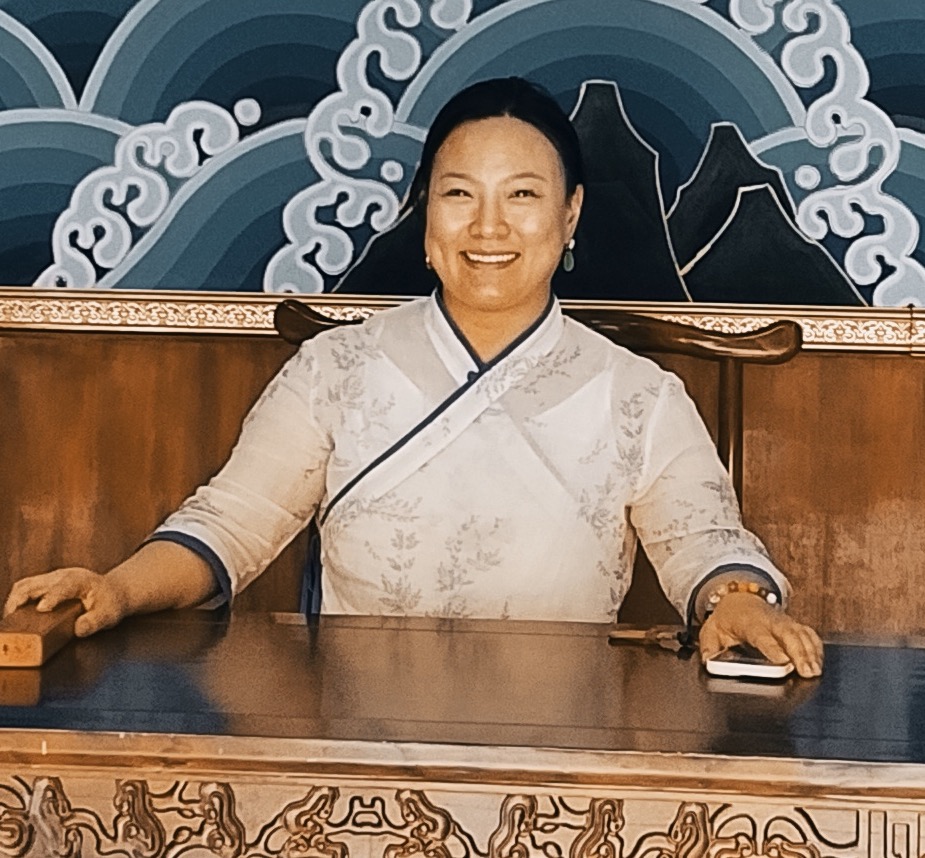
Wendy Wang (CHN) online
Topic: Baby swimming and Watsu in China.
Biography: Wendy is a baby swimming instructor, first Watsu Practitioner in China. She started he teaching path and currently is certified as a Watsu Assistant,
Natalia Zagórska (POL)
Topic: Cervical instability – general health context and implications in aquatic therapy.
Biography: Natalia bio 2026
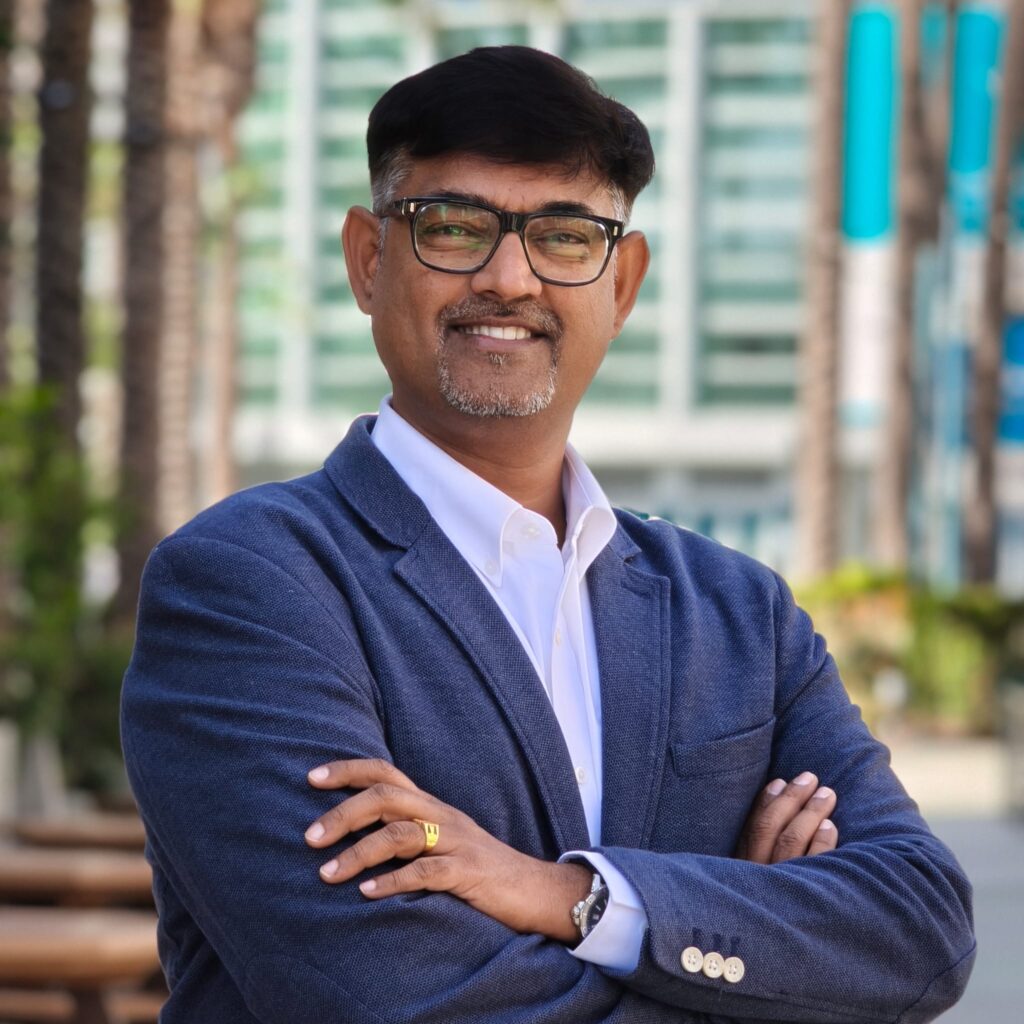
GC Prashanth (IND)
Topic: Research in Watsu – Addressing the Gap.
Biography: Master in Neurological & Psychosomatic Disorders. Asst. Professor SDM college of Physiotherapy. Currently addicted to Water works. Working with pediatric and adult neuro clients. Also giving Watsu sessions
Izabela Libold (POL)
Topic: Sensory Integration in Water.
Biography: Graduate of the Medical University of Wrocław
Creator of an aquatic rehabilitation program for children in Wrocław, developed as part of the government pilot program titled: “Early, Multidisciplinary, Comprehensive, Coordinated, and Continuous Support for Children at Risk of Disability or with Disabilities and Their Families (2005–2007)”
WATSU® (Water Shiatsu) Therapist
Water Dance Therapist
Instructor in aquatic rehabilitation and swimming instruction for people with disabilities (Halliwick Concept)
Swimming Sports Instructor
Sensory Integration Therapist
Additional specialized training:
“Rehabilitation of Children at Risk” (specialization course in medical rehabilitation organized by the Medical University of Wrocław)
“Selected Issues in the Diagnosis and Therapy of Children at Risk” (advanced training course organized by the Medical University of Wrocław)
Veronica Sherborne’s Developmental Movement
Munich Functional Developmental Diagnostics (ages 0–6)
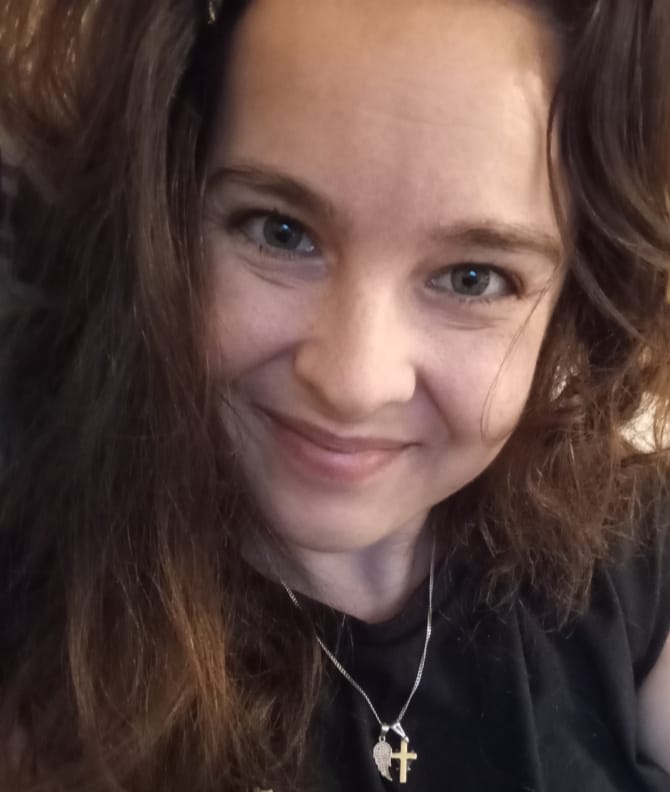
Monika Borowy (IRL/POL)
Topic: Turning point 2030. Effect, affect, ethics.
Biography: Monika Borowy | Educator, Therapist, Watsu Provider, Creator of the SHAPE™ Method My passion for psychology began long before I started my studies at the Jagiellonian University in Kraków in 2004. Today, as the founder of a company specializing in educational and therapeutic engineering, I combine my background in education (MA) and medicine (occupational therapy) with the therapeutic potential of art. My experience from art school in Dublin and a deep love for music enable me to design multidimensional processes in which sound and art become integral elements of emotional regulation. I continuously develop my skills in both Dublin and Poland; I completed psychology studies at Trinity College, which inspired me to pursue further education in psychology and Natalie Rogers’ humanistic-expressive psychotherapy. I regularly deepen my knowledge of the neurobiology of trauma through international seminars, drawing inspiration from the work of experts such as Dr. Gabor Maté and Bessel van der Kolk. I am the creator of the NAR™ and NHC™ methods, as well as the comprehensive SHAPE™ multimodal therapy protocol, which I am further developing as part of an upcoming implementation-focused PhD program. In my practice, I integrate body, mind, and emotional affect within a safe framework. On a personal note: I am the mother of two athletic boys. I love being close to nature, traveling by camper van, good cinema, and finding quiet moments with a book and sunsets by the water. My life and heart are permanently divided between Ireland and Poland.
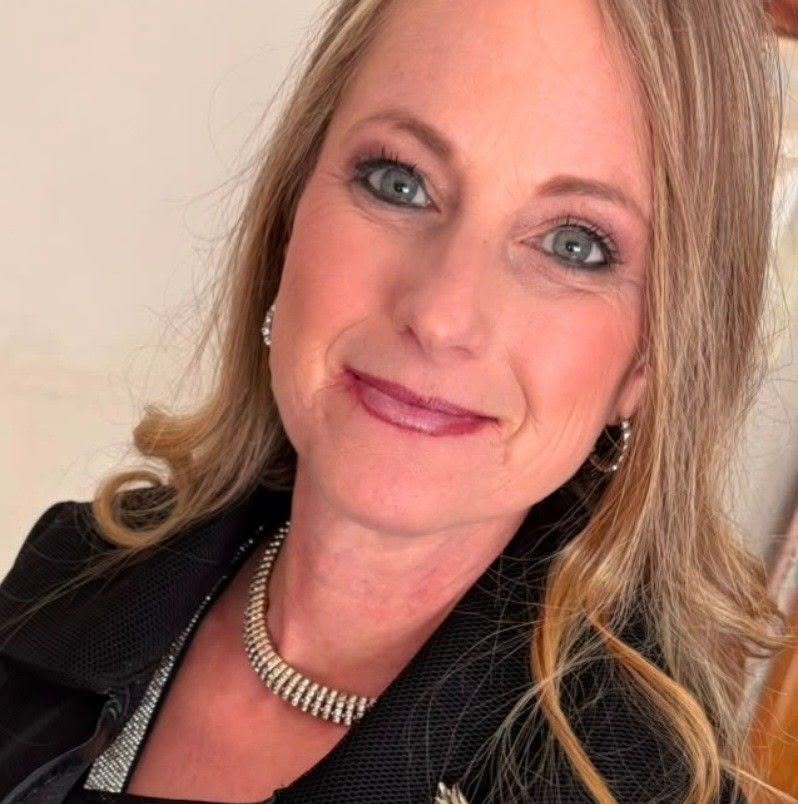
Stacey Aires Lewis (RSA) online
Topic: Research on Geron Hydrotherapy in Frozen Shoulder.
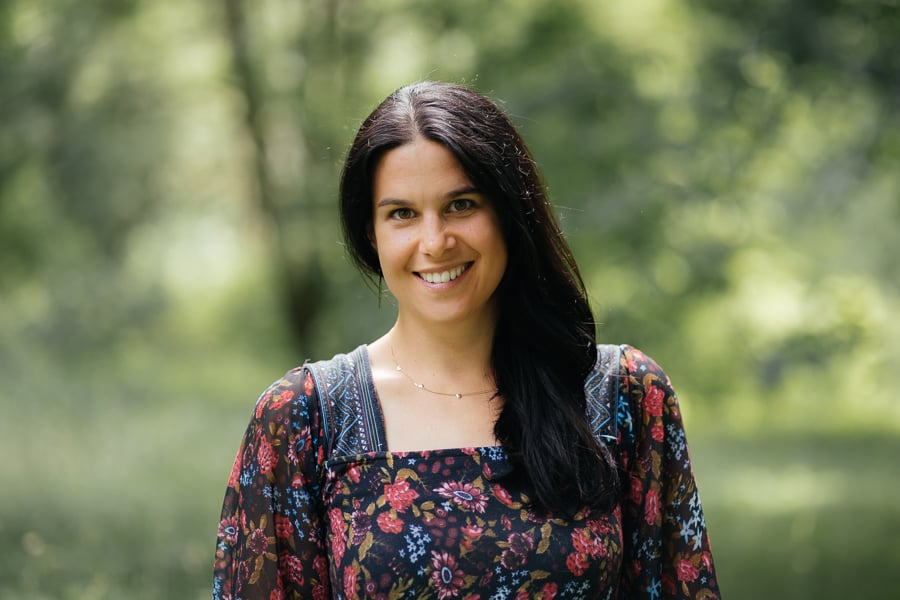
Lenka Lenka Holotňáková (SVK)
Topic: Watsu® and its use in the therapy of the lumbosacral region in women in the late phases of pregnancy.
Biography: Lenka Holotňáková is a qualified therapeutic educator, physiotherapist, and midwife who has been dedicated for 18 years to providing holistic care to pregnant women during pregnancy, childbirth, and the postpartum period. She is a co-founder of a school for postpartum doulas. As a Watsu Practitioner, she works primarily with pregnant women
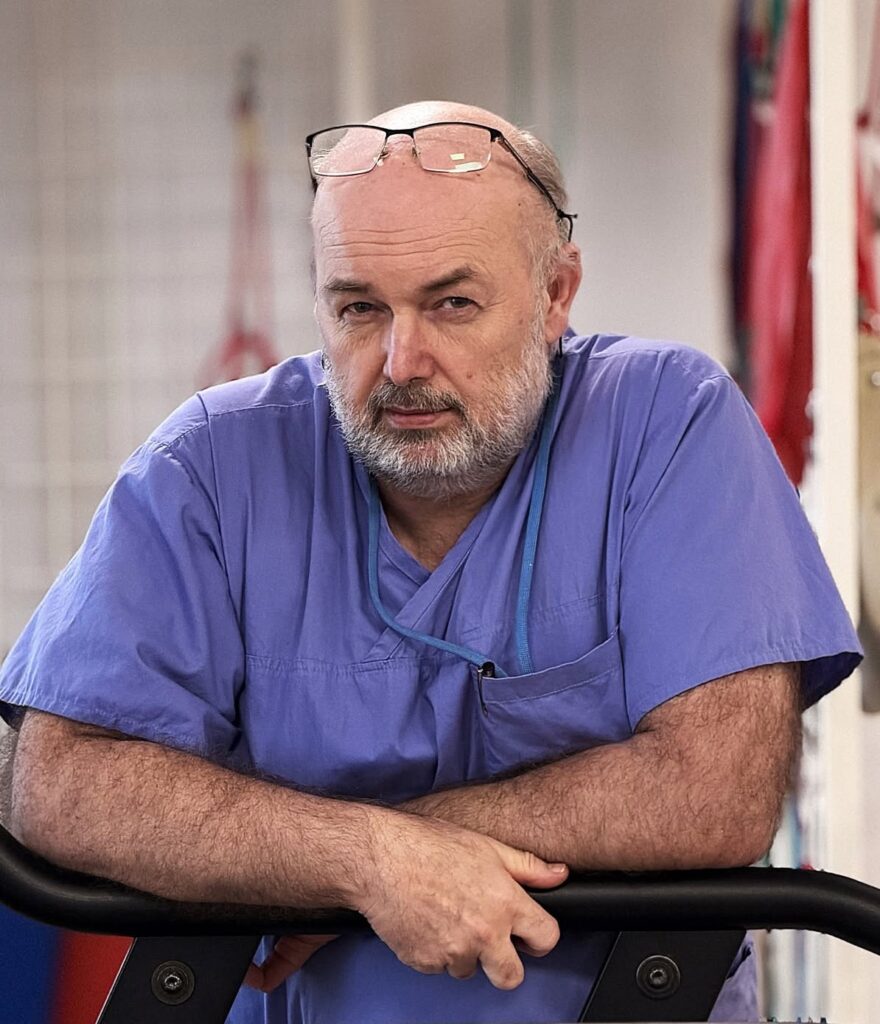
Mirosław Młyński (POL)
Topic: To Independence Through the Water.
Biography: Physiotherapist since 1999 (Medical Vocational School No. 2 in Gdańsk – physiotherapy technician). Has had family ties to the GCR (Rehabilitation Centre) in Dzierżążno since the late 1970s. Holds a Bachelor’s degree from the WSZ in Gdańsk and a Master’s degree in Physiotherapy from the OSW in Olsztyn. Completed postgraduate studies in medical law at the Faculty of Law and Administration, University of Gdańsk. Employee of the Specialist Hospital in Kościerzyna since 1999. Lecturer at the Higher School of Health (Wyższa Szkoła Zdrowia) in Gdańsk and participant in training projects (including those funded by the European Union). Member of the National Team of Auditors for the National Chamber of Physiotherapists (KIF). Delegate representing the Pomeranian Voivodeship at the 1st and 2nd National Congresses of Physiotherapists. Instructor with the Active Rehabilitation Foundation (Fundacja Aktywnej Rehabilitacji) for 25 years. I have always believed that being a delegate is a role that extends beyond the Congress itself. Earning the trust of one’s professional community is the greatest reward for daily work and engagement. My greatest success to date? Co-authoring the guidelines that enabled physiotherapists to work in Poland during the COVID-19 pandemic. Interests? History (especially the history of physiotherapy), old photographs (particularly from the Kashubia region), and a passion for photography.
Dominika Kolenda (POL/UK)
Topic: Hydropedagogy and Posthuman Care: Embodied Learning Through Water, Weightlessness, and Relational Becoming
Abstract: This paper proposes hydropedagogy as a posthuman mode of learning, care, and embodied knowledge production, grounded in hydrotherapy and informed by new materialist and posthumanist theory. Drawing on Astrida Neimanis’s work within the Blue Humanities and on hydropedagogical frameworks articulated by Maria Mendel, the presentation conceptualises water as an epistemic and pedagogical agent rather than a neutral therapeutic medium.
Through immersion, the body enters a state of unified movement in which gravity is partially omitted and muscular hierarchies are redistributed. In this suspended condition, bodily boundaries soften, proprioception is reconfigured, and the human subject is temporarily de-centred. The paper argues that this mode of embodied experience echoes intrauterine conditions, not as a metaphor of regression, but as a material reminder of relational ontogenesis, where body, medium, and environment are inseparable. Hydropedagogy is here framed as a form of learning that occurs through co-movement, buoyancy, resistance, and rhythm, enabling knowledge to emerge somatically rather than discursively. The aquatic environment produces what may be described as an enactive pedagogical field, within which cognition is distributed across body, water, temperature, and motion. Healing and learning are thus understood as relational processes, unfolding through more-than-human collaboration.By situating hydrotherapy within posthuman care ethics and Blue Humanities scholarship, the paper advances an argument for water-based practices as sites of re-embodied knowledge, where pedagogy, therapy, and ontology converge. Hydropedagogy is proposed not merely as a method, but as an ethical orientation toward learning with, rather than about, the material world.
Bio: Dominika Kolenda
is an interdisciplinary artist, researcher, and educator working at the intersection of art, biology, and philosophy. She holds a Fine Art degree from the University of Oxford, where her work combined conceptual art practice with critical theory, embodied research, and science communication.Her practice is grounded in curating enactivist situations in which knowledge is not transmitted but re-embodied, emerging through sensory engagement, movement, and material interaction. She works across bioart, research-driven art, and participatory methodologies, with sustained interests in posthumanism, new materialism, embodiment, care, and Blue Humanities. Alongside her artistic and pedagogical work, she has professional experience working with individuals living with chronic illness and pain. Her work seeks to develop ethically attuned, more-than-human approaches to learning and care that foreground relationally, material agency, and embodied knowing.
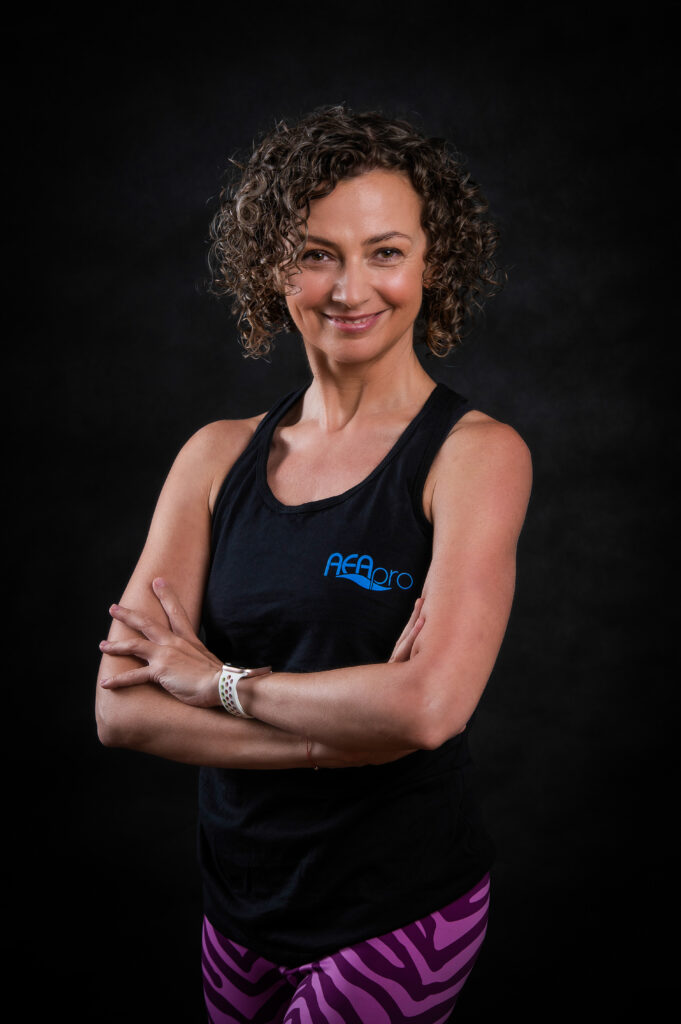
Joanna Apolinarska (POL)
Topic: Vagus Nerve Stimulation in an Aquatic Environment: Integrated Strategies for Modulating Autonomic Tone through Movement, Breathing, and Hydrodynamics. Abstract: In my presentation, I will outline the physiological mechanisms by which the aquatic environment affects the autonomic nervous system—including the impact of hydrostatic pressure on the baroreceptor reflex, circulatory centralization, and HRV indices—as well as specific methods for stimulating the vagus nerve by leveraging the physical properties of water.
Topic: SAF AQUA® Relaxation: A practical vagus nerve modulation protocol based on water-based sensory input, breathing patterns, and kinetic fluidity. Abstract: A workshop that directly translates theory into practice. We will focus on synchronizing diaphragmatic breathing with water resistance, working in a state of axial unloading, and utilizing fluid movement chains that stimulate the parasympathetic nervous system.
Biography: International Aqua Fitness Trainer (AEA), Academic Lecturer, and Lead Methodologist at SAF AQUA® An international expert, methodologist, and trainer specializing in aquatic physical activity. She is a certified International Aqua Training Specialist with the prestigious Aquatic Exercise Association (AEA). In May 2026, she was honored with the prestigious AEA Global Award—presented in the United States—in recognition of her outstanding contribution to the global development of and education in aquatic fitness. She serves as the Lead Methodologist and a Board Member at SAF AQUA®, where she is responsible for creating innovative educational and licensing programs, as well as designing specialized aquatic training equipment. She is an academic lecturer at the Prof. K. Milanowska University of Education and Therapy in Poznań, where she trains physiotherapy students in advanced aquatic exercise methods. She has authored instructor training programs, including those for the Staff Development and Training Center at the University of Physical Education in Poznań. A speaker and international presenter at leading global industry conferences (including the International Aquatic Fitness and Therapy Conference – IAFTC in the USA). Her work combines Evidence-Based Practice standards with practical fluid biomechanics, neurophysiology, and advanced methodology for teaching movement involving unweighted (buoyancy-assisted) exercise and hydrodynamic resistance.
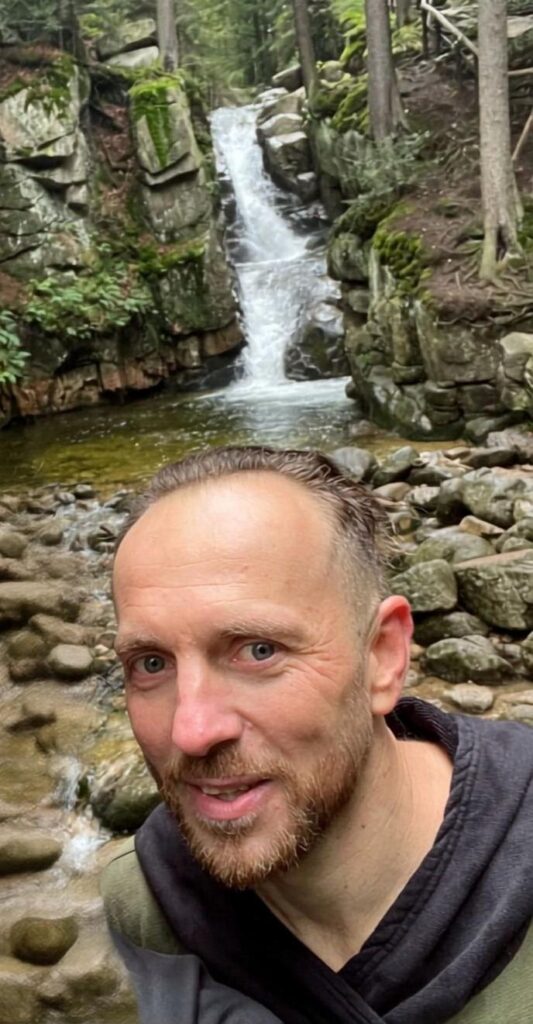
Marcin Żbikowski (POL)
Topic: A return to silence. Watsu – a lifeline for people in a culture of constant activity.
Bio: Licensed physiotherapist, educator, swimming instructor, and certified lifeguard. An entrepreneur and founder of the company SPA & Wellness Management, Marcin Żbikowski has been collaborating with hotels in the Karkonosze Mountains for 23 years, managing their SPA & Wellness zones. An active swimming instructor since 1997… Passionate about massage, he has participated in numerous courses, training sessions, and congresses covering bodywork techniques—including aquatic therapies, manual therapy, myofascial therapy, Oriental massage, and holistic therapies. Massage instructor and creator of original bodywork techniques. In his professional life, he seeks inspiration for further development by attending clinical training courses (such as the German School of Manual Therapy, Cyriax, Myofascial Therapy, etc.) while simultaneously exploring and understanding natural therapies (Ayahuasca, Wachuma, Kambo). He intertwines the world of clinical therapies with journeys to regions where therapies and ceremonies—passed down primarily through oral tradition among local populations—have been practiced for 2,000 years to foster spiritual cleansing and reinforce the symbiosis with the land they have inhabited for generations. In his private life, he is a father of four and an avid mountain runner and cold-water swimmer in the Karkonosze Mountains.
Magdalena Dąbrowska (POL)
Topic: Infant swimming – does an infant really “learn to swim”?
Biography: Founder and President of the “Akademia Ruchu” (Academy of Movement) swimming school for infants and children—established in 1999—and a co-founder and Vice-President of the PSPN (Polish Infant Swimming Association) since 2007. She holds a master’s degree in rehabilitation and is a psychotherapist, swimming instructor, and WOPR lifeguard. She is a speaker and participant at numerous international conferences and training courses focused on teaching swimming to infants and young children, as well as their proper development. She also organizes training sessions, conferences, workshops, and lectures for swimming instructors.
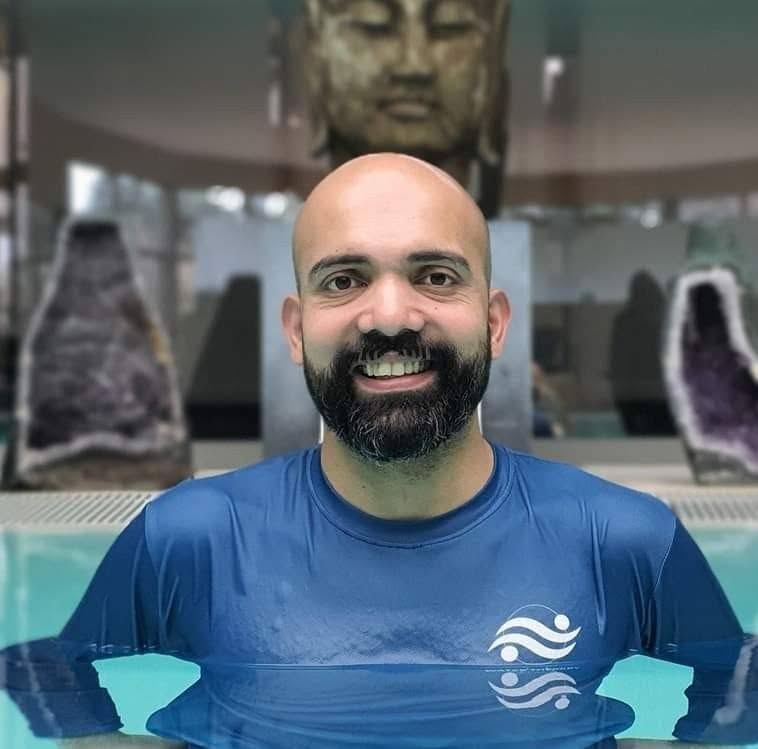
Steve Fernandez (ISL)
Topic: The student path – Planning and Organizing your journey for success.
Biography: In the last 5 years Steve has completed around 2000 hours of trainings in Water with WABA and outside of WABA. 500 hours of trainings on land.
Many lessons were learnt as a student and as someone who has worked his way up to the teaching path.
Steve would like to share his insight with the next generation. Learn from his sucess and many failures in a time when everything is changing and moving so fast.
Steve has 20 years of experience working with Five star luxury hotels around the world.
Teaches WATA – WaterDance and on the path of teaching WATSU.
Founded Water Therapy Iceland training institute.
He shares his work on https://www.instagram.com/watertherapy.is
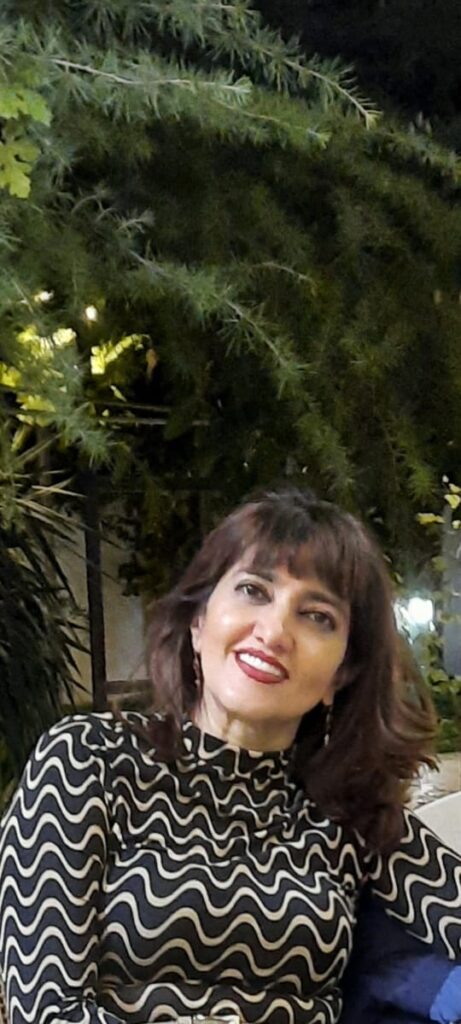
Nahid Madadi (IRA)online
Topic: The Power and Miracle of Water.
Biography: Nahid Madadi is an instructor of swimming, aerobics, and aquatic exercises with over thirty years of professional experience. holds a diploma in hydrotherapy and swimming from Iran and specializes in designing and conducting aquatic exercise programs for health and rehabilitation. Subsequently focused on the impact of water on physical and mental well-being through coaching swimming and aqua-gym.
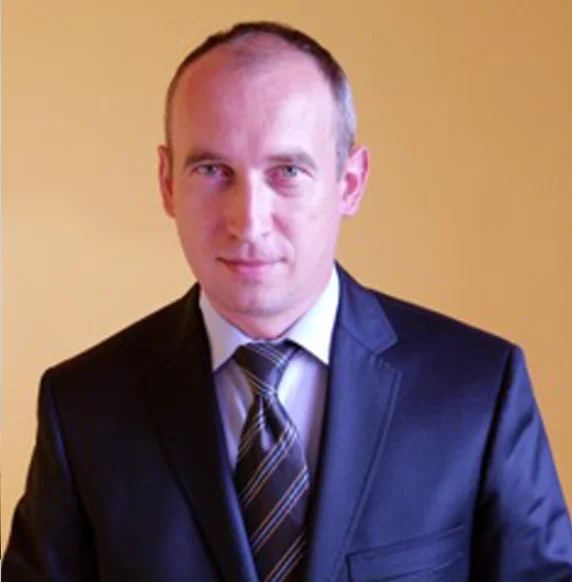
Tomasz Zagórski (POL)
Topics: 1) MRW – modeling fascia in water. Assessment and creating a strategy of therapy. 2) Can Watsu help to become a champion?
Bio: Sports therapist with experience in high level (20+ medals at Olympic Games, World, Europe and Asian championships, 2 World Records), Watsu Practitioner, Senior Instructor & Coach Advisor. Brought Watsu to Poland in 2000, co-founder of Watsu Polska Association (in 2008) and WABA (2015), founder of European Watsu Center (2020-25). Founder of MRW – Myofascial Release in Water, Watsu for Athletes and other concepts. 30 years of experience in manual therapy and 15 years of teaching Watsu on all levels, including Assistants and Instructors.
Conference Program
Friday, 9th October 2026 (pre-conference)
Additional day for registration (4-6pm) and evening city tour (8pm)
Saturday, 10th October 2026
📚 Panel 1. Watsu and other innovations in Polish neurorehabilitation and physiotherapy.
10 – 10:20 Opening lecture
10:20 – 10:40 Sensory Integration in Water. Izabela Libold (POL)
10:40 – 11 To Independence Through the Water. Mirosław Młyński (POL)
11 – 11:15 Cervical instability – general health context and implications in aquatic therapy. Natalia Zagórska (POL)
11:15 – 11:30 Caffe Break/Networking
📚 Panel 2. Water and the balneological and geothermal resources of the Małopolska region in modern hydrotherapy.
11:30 – 12:15 Do microcurrent frequencies create a fourth state of water in living organisms? Dobrosława Kwiatkowska (POL)
12.15 -12:45 Balneotherapy in Poland. Małgorzata Łukowicz, MD, PhD, DSc (POL)
12.45 – 13.15 Hydropedagogy and Posthuman Care: Embodied Learning Through Water, Weightlessness, and Relational Becoming. Dominika Kolenda (POL/UK)
13:00 – 14:00 Lunch break
📚 Panel 3 (parallel session) Orthopedics, Rehabilitation.
11:30 – 12 Research on Geron Hydrotherapy in Frozen Shoulder. Stacey Aires Lewis (RSA)
12 – 12:20 Vagus Nerve Stimulation in an Aquatic Environment: Integrated Strategies for Modulating Autonomic Tone through Movement, Breathing, and Hydrodynamics. Joanna Apolinarska (POL)
12:20 – 12:40 Watsu® and its use in the therapy of the lumbosacral region in women in the late phases of pregnancy. Lenka Holotnakova (SVK)
12:40 – 13 Watsu therapy as a work benefit for healthcare workers. Dr Patricia Bacova (SVK)
📚 Panel 4. Water- and land-based methods in sports medicine and post-exercise recovery.
14:00 – 14:30 tba
14:30 – 15 Can Watsu help to become a champion? Tomasz Zagórski (POL)
15 – 15:30 Five Regulatory Systems (FRSc)in speeding up recovery. Dr Radosław Składowski (POL)
💦 Panel 5. Pool Demo/Practice
16 – 16:30 WATA demonstration. Françoise Jadin (BEL) & Svitlana Vishenska (UKR/UAE)
16:30 – 17 SAF AQUA® Relaxation: A practical vagus nerve modulation protocol based on water-based sensory input, breathing patterns, and kinetic fluidity. Joanna Apolinarska (POL)
17 – 17:30 Treating Frozen Shoulder with Geron Hydrotherapy. Maria Gerondoudis (RSA)
17:30 – 17.45 MRW – modeling fascia in water. Assessment and creating a strategy of therapy. Tomasz Zagórski (POL)
17.45 – 18 Ergonomy in Watsu – what we can do better? Tomasz Zagórski (POL)
18-19 World Record
Sunday, 11th October 2026
📚 Panel 6. Global knowledge transfer.
9 – 9:20 A Gaze, A Breath, A Ripple: The Unseen Foundations of Mouvement in Water. Fezia Tyebally (MAL)
9:20 – 9:40 Halliwick Across the Lifespan: Honoring Our Roots, Embracing Our Reach. Fezia Tyebally (MAL)
9:40 – 10 Application of Aquatic Therapy in training of Paralympic athletes. Dr Duran Arslan (TUR)
10 – 10:30 How fascia behaves in water? Prof Robert Schleip (GER)
10:30 -10:45 Caffe Break/Networking
📚 Panel 7. Watsu in the modern medical spa and wellness sector; infant swimming.
10:45 – 11:15 A return to silence. Watsu – a lifeline for people in a culture of constant activity. Marcin Żbikowski (POL)
11:15 – 11:45 Baby swimming and Watsu in China. Wendy Wang (CHN)
11:45 -12:15 Infant swimming – does an infant really “learn to swim”? Magdalena Dąbrowska (POL)
12:15 – 13:15 Lunch break
📚 Panel 8. Water-based therapy from a humanistic perspective – working with trauma and stress-related health deficits.
13:15 – 13:45 The Essence of Waterdance and Why Psycho-Emotional Processes are Crucial to WATA. Françoise Jadin (BEL) & Svitlana Vishenska (UKR/UAE)
13:45 – 14 Held by Water: Healing Trauma through Watsu and WaterDance. Svitlana Vishenska (UKR/UAE)
14 – 14:15 The Power and Miracle of Water. Nahid Madadi (IRA)
14.15 – 14.30 Turning point 2030. Effect, affect, ethics. Monika Borowy (POL/IRL)
14:30 -14:40 Caffe Break/Networking
📚 Panel 9. Research, practice, teaching.
14:40 – 15 Research in Watsu – Addressing the Gap. GC Prashanth (IND)
15 – 15:30 WATSU and Multiple Sclerosis, practical and scientific thoughts about WATSU from Physiotherapy prospective. Dr Julia Andrejeva (LTV)
15:30 – 15:50 Watsu from a perspective of Practitioner and academic teacher. Renata Tjenska (CZE)
15:50 – 16:10 The student path – Planning and Organizing your journey for success. Steve Fernandez (ISL)
16:10 – 16:30 Conference closing.
The program may slightly change. Hours are CET (Warsaw, Paris, Rome)
World Record in Watsu!
🌊 Join the World Record Attempt at IWC2026!
Be part of aquatic therapy history! For the first time ever, the Academy of Physical Culture in Krakow will host an official attempt to break the World Record for the largest synchronous Watsu session in one venue. Under the Honorary Patronage of 3-time Olympic Champion and world record holder Anita Włodarczyk, we are bringing together hundreds of people to create a spectacular celebration of water therapy.
- When & Where: October 10th, 2026 | AKF Krakow Indoor Pool
- Admission: 100% FREE for all World Record participants (requires separate registration below)
- No Experience Needed: Professional instructors will guide you through every step before we enter the water.
👉 Scroll down, choose your spot, and register now!
About Organizer
Fundacja Europejskie Centrum Watsu im. Harolda Dulla is a non-profit organization aimed for developing of quality of teaching, building European Watsu Center in Dobrociesz, and promote historical values of Watsu in modern times. Learn more about European Watsu Center.
Our Partners
Honorary Patronage Łukasz Smółka – Marshal of the Małopolska Region

Academy of Physical Culture in Krakow.
AKF have been hosting our conference in 2015, and we will use the hospitality and the facilities for the second time. Click on logo to see more information about educational offer of AKF.
Aquatic Therapy Development Association Watsu Polska.
Founded in 2008 took the task of developing Watsu in Poland (since 2000), organizing and accrediting certified training, and creating brand awareness. Association have been organizing 2010, 2015 and 2020 editions of the conference. Learn more
Substantive Patronage: Active Rehabilitation Foundation
Media Patronage
Our Sponsors
Partners
Provides support for organization of 5th International Watsu Conference and the Foundation.
SPA & Wellness Management
Rezydencja Spalska
Join us!
On-Site Participation Options.
Most Popular
Regular
Registration after 25th September
690
PLN
Lectures access
- Practical Workshops access
- VOD access in 15 days after conference
- 16 WABA CE hours
- Social event access
- Package from sponsors
- WhatsApp Group access
- World Record participation
Most Popular
One Day
One day access to lectures and workshops.
350 PLN
Lectures access
- Practical Workshops access
- VOD access in 15 days after conference to lectures from the participation day
- 8 WABA CE hours
- Social event access on the day of participation
- Package from sponsors
- WhatsApp Group access
- World Record participation
Most Popular
Humanitarian
For participants from LDC and conflict-affected countries. T&C apply.
250 PLN
Lectures access
- Practical Workshops access
- VOD access in 15 days after conference
- 16 WABA CE hours
- Social event access
- Package from sponsors
- WhatsApp Group access
- World Record participation
Most Popular
Group Ticket
(minimum 4 participants, registered and paid by a Group Leader)
500 PLN
Lectures access
- Practical Workshops access
- VOD access in 15 days after conference
- 16 WABA CE hours
- Social event access
- Package from sponsors
- WhatsApp Group access
- World Record participation
ONLINE Participation Options.
Most Popular
Regular Online
Registration after 25th September
370 PLN
Lectures access
- Practical Workshops access
- VOD access in 15 days after conference
- 10 WABA CE hours
Most Popular
Group Online
(minimum 4 participants, registered and paid by a Group Leader)
220
PLN
Lectures access
- Practical Workshops access
- VOD access in 15 days after conference
- 10 WABA CE hours
Most Popular
Humanitarian Online
For participants from LDC and conflict-affected countries. T&C apply.
0 PLN
Lectures access
- Practical Workshops access
- VOD access in 15 days after conference
- 10 WABA CE hours
Most Popular
World Record Participants
Registration required.
0 PLN
World Record certificate.
2 WABA CE hours
- 20% discount for One Day Ticket.
- No need of previous experience.
- Bring your swimming suit and towel.
Registration
The registration section will be opened soon.
Participants
Countries
of participants
Speakers
Previous editions
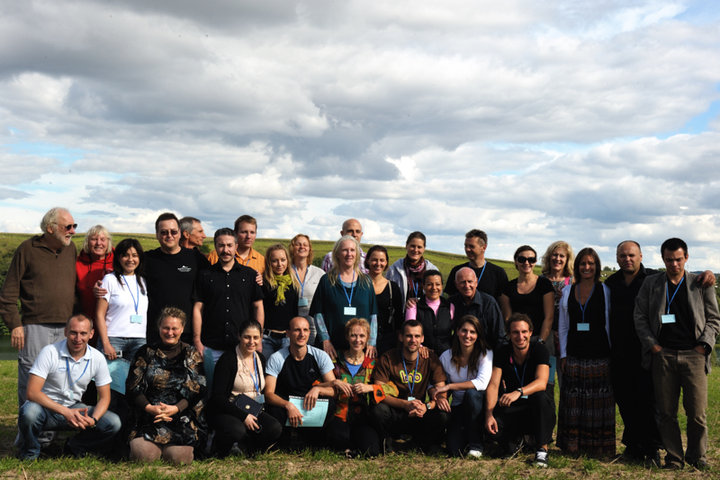
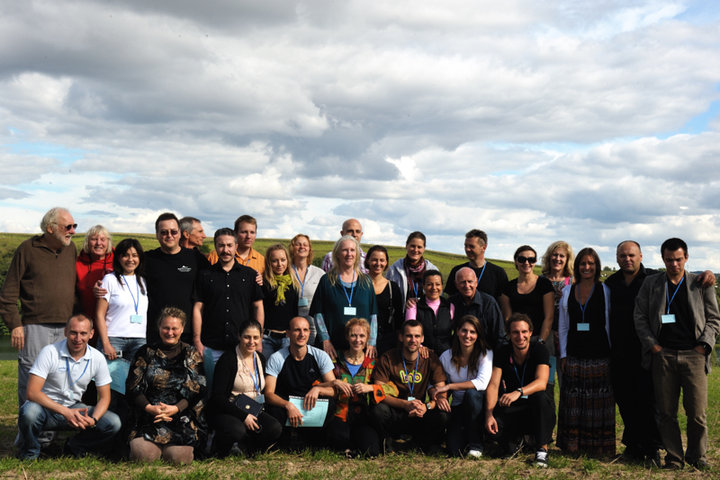
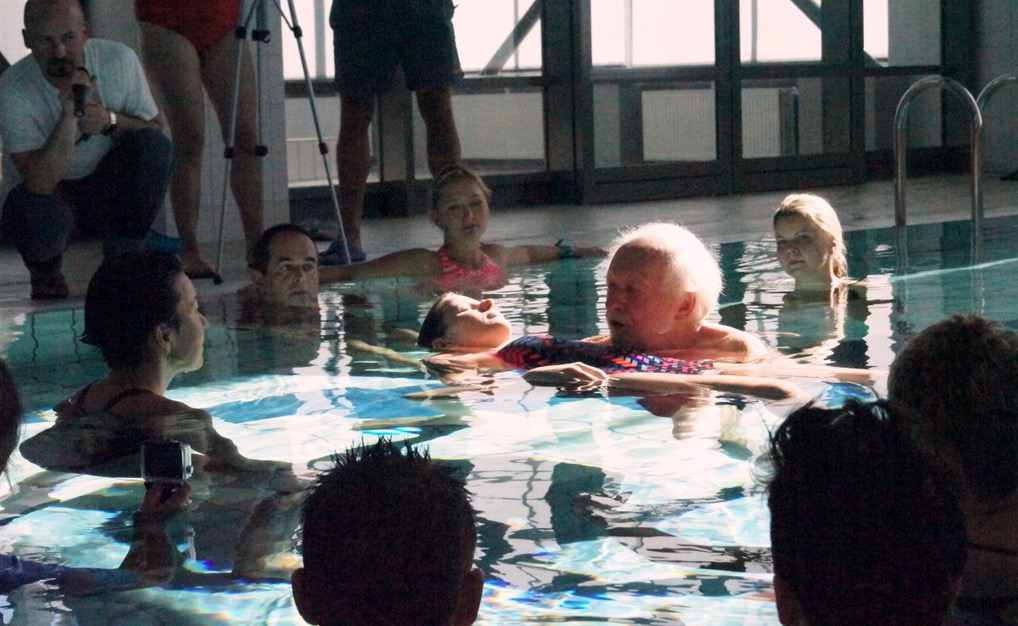
First conference celebrating 25th Watsu anniversary took place in 2005 in Italy. The next editions, starting since 2010 was organized in Poland. See, how we developed over years, connecting experts and leaders in Aquatic Therapy.
2010 2nd edition
See more
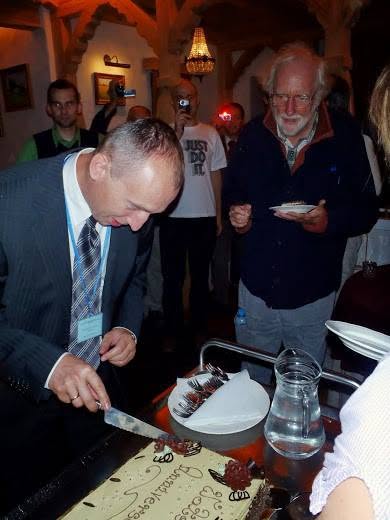
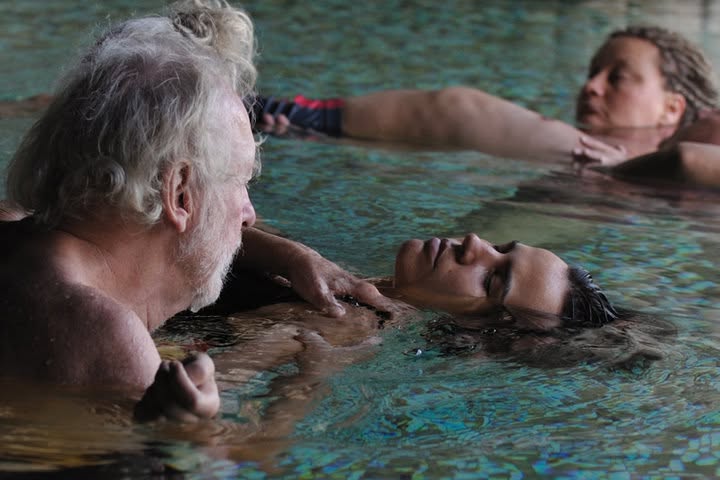
Głęboczek Vine&SPA hosted first conference in Poland, with audience from 5 continents, who celebrated Watsu 25th Anniversary, and explored aspects of its presence in rehabilitation, SPA and sport.
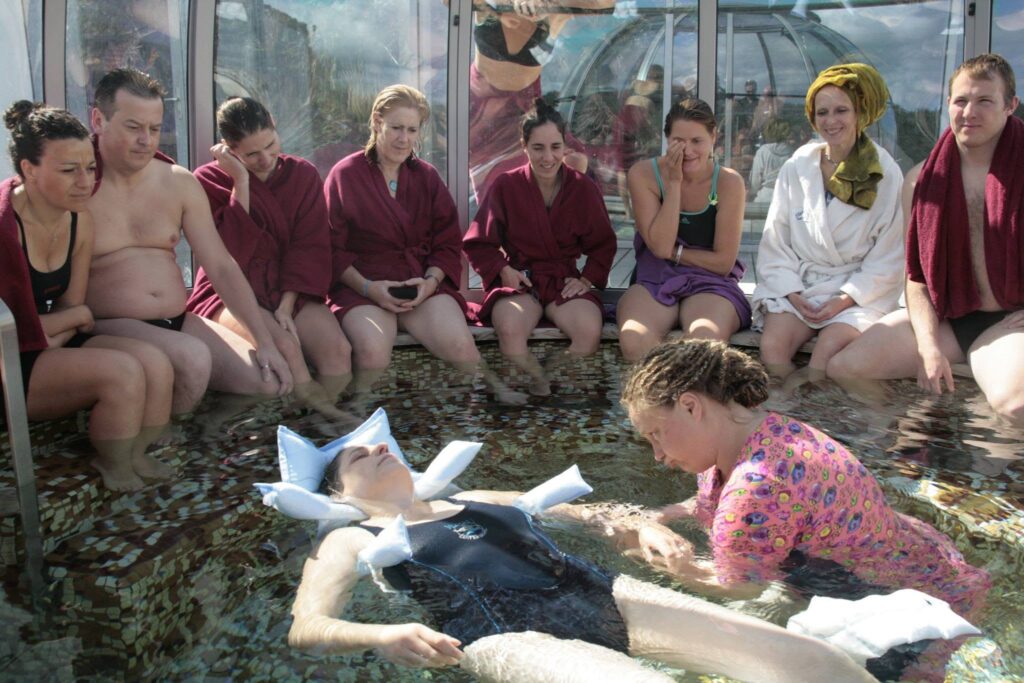
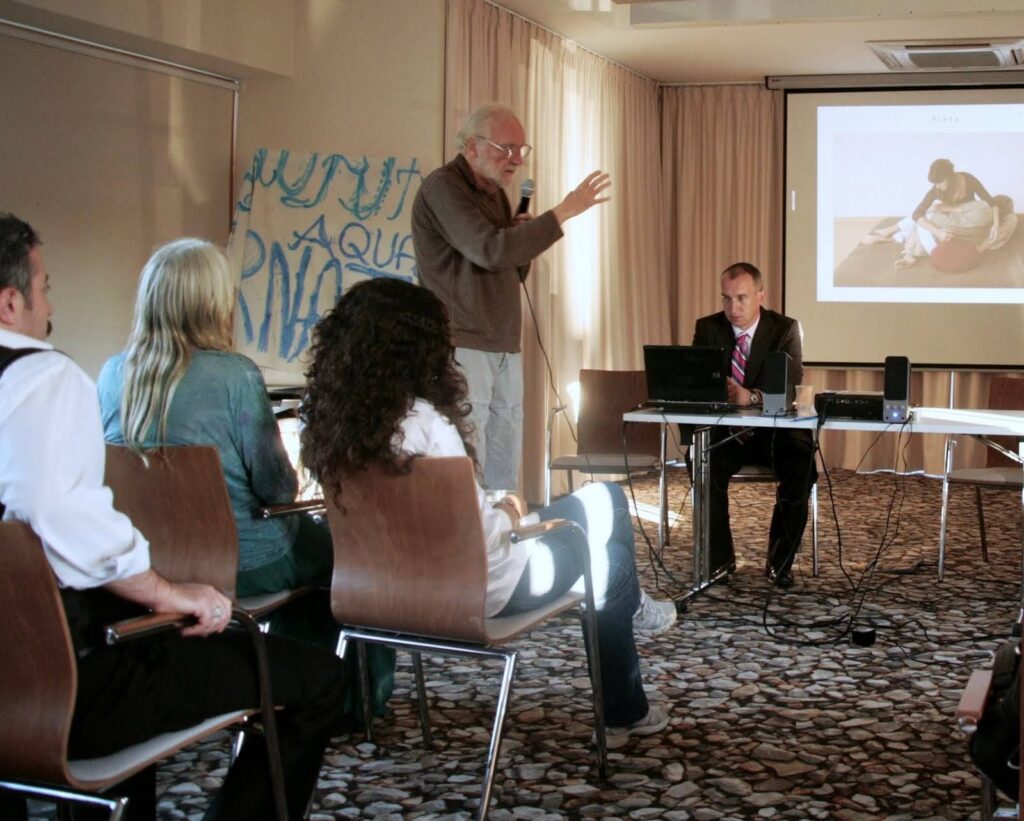
2015 3rd edition
See more
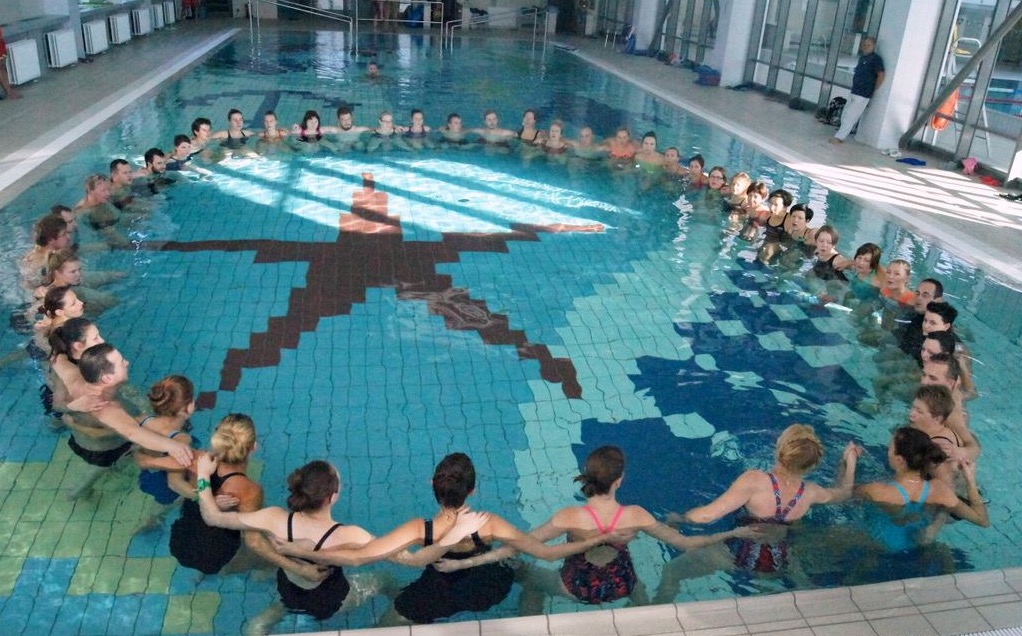
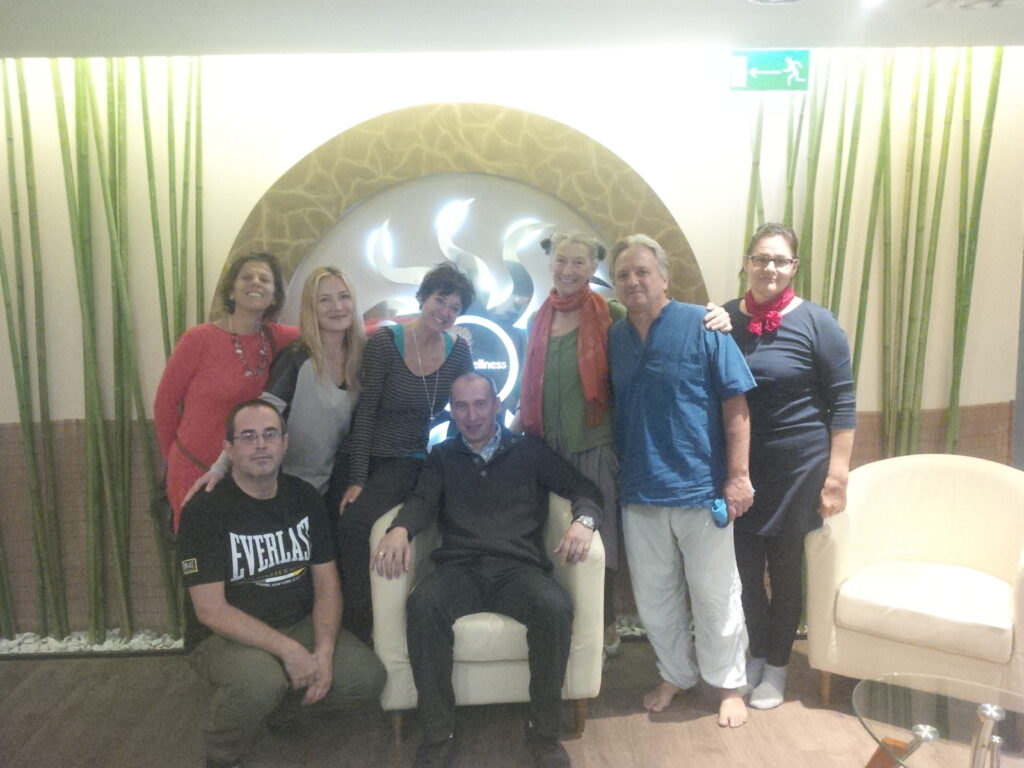
The conference grows and is the last one with presence of Harold. During the event WABA with headquarter in Switzerland was raised to life.
2020 4th edition
See more
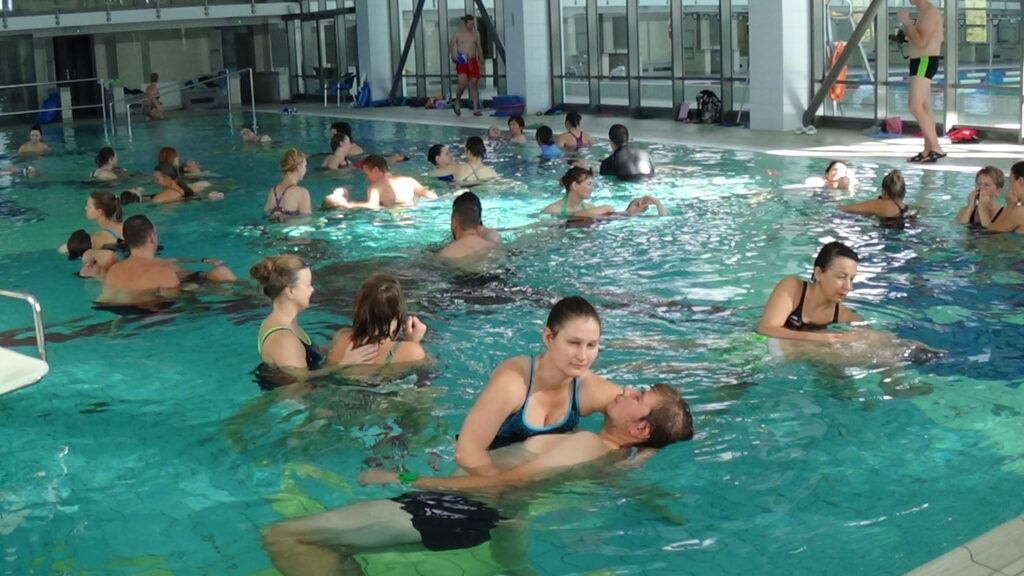
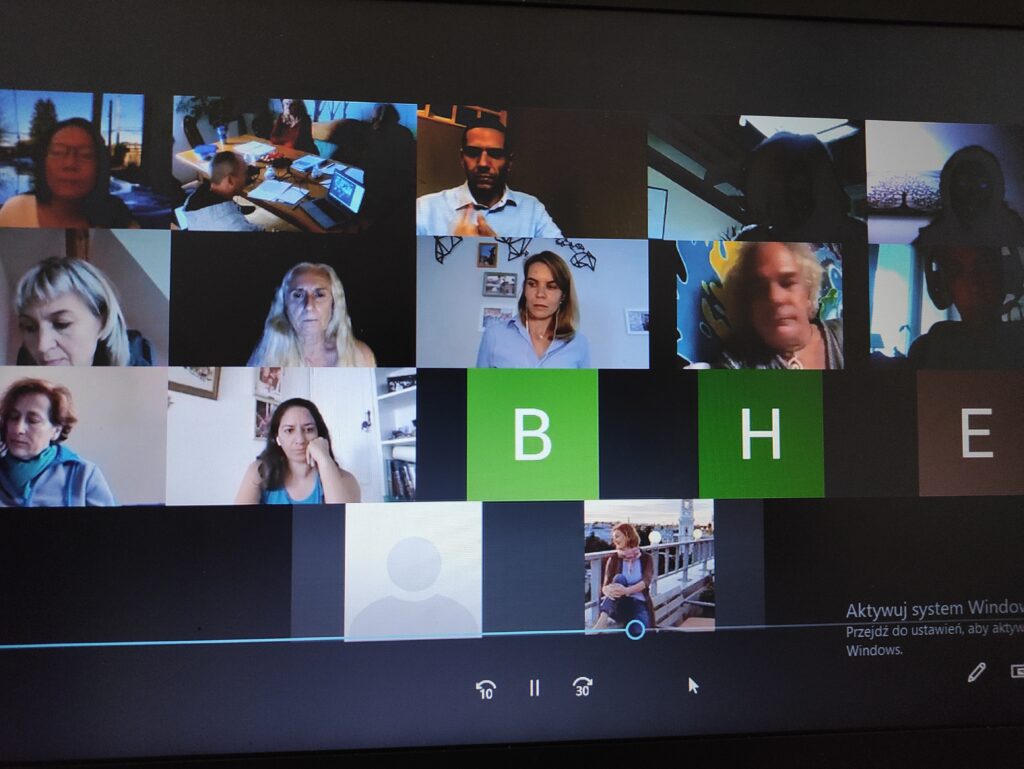
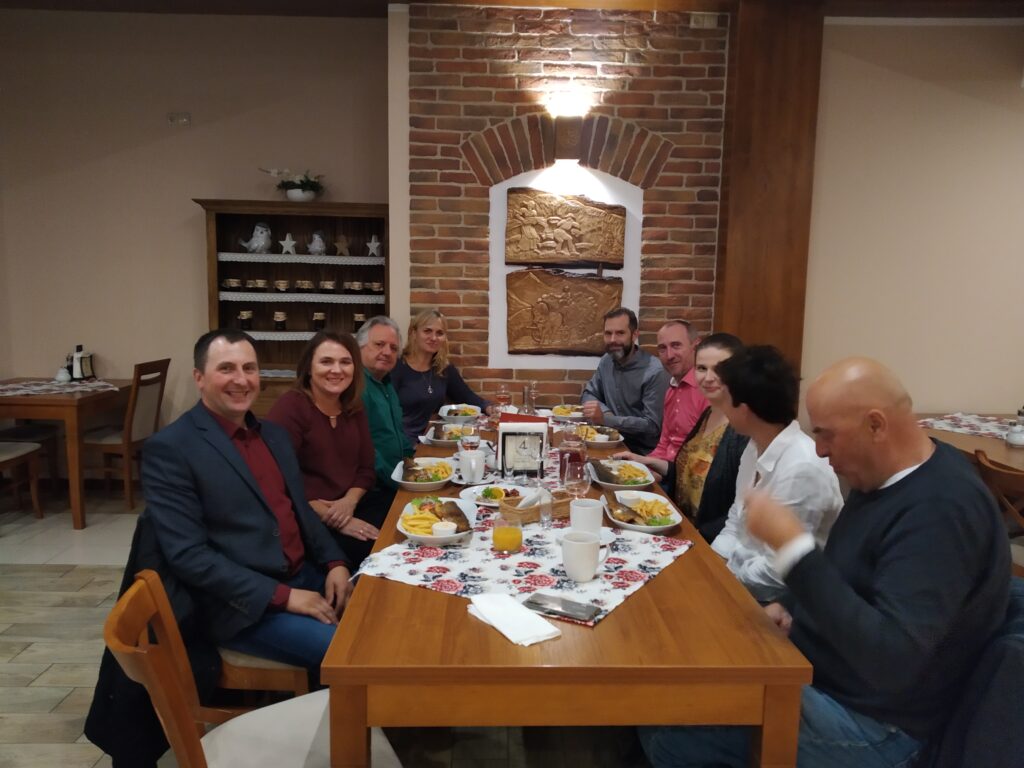
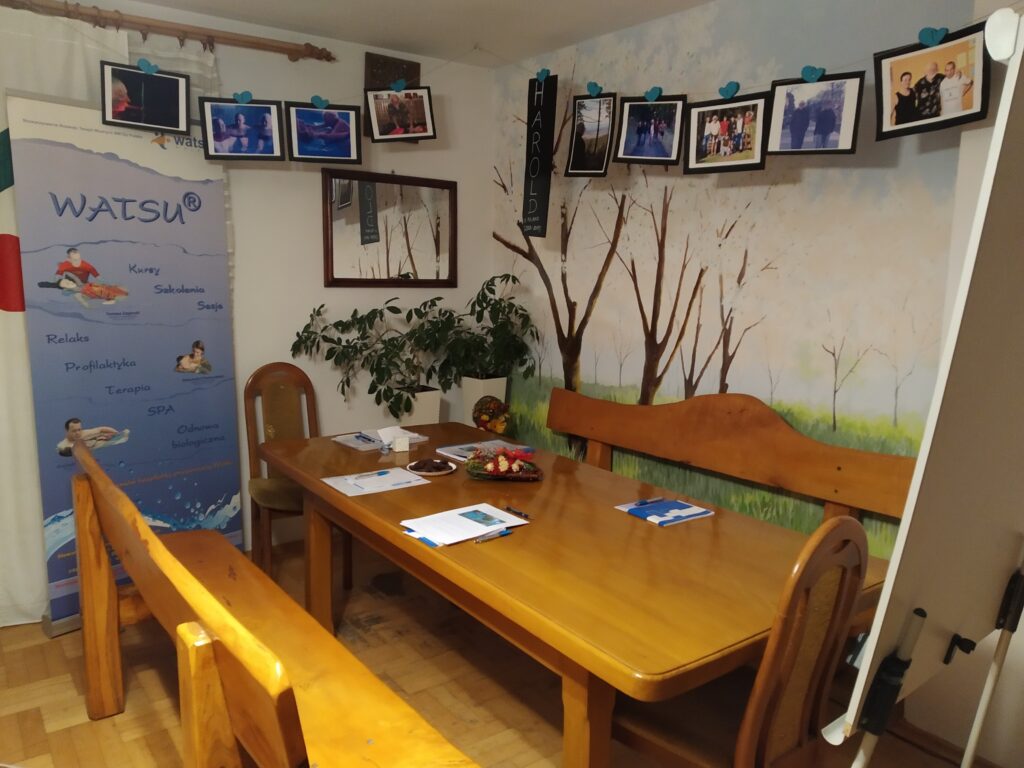
During pandemic time we were forced to organize a hybrid conference with small on-site event in Żbikowice. In 2020 European Watsu Centre project was introduced.
Wish to be a volunteer?
As always such events gives the opportunities for volunteers. Learn more how you can help and benefit.
How to get there?
Kraków Airport (KRK) located in Balice has a direct train to city center (Kraków Główny) and have wide choice of low cost connections from Europe and Middle East. There are convenient train and bus connections to Krakow, as well as good highway access.
Need Schengen Visa? Upon request, the organizer may issue an official invitation letter to support your Type C Schengen visa application (business or cultural/scientific event purpose). Please note that this letter does not guarantee visa approval, which remains at the sole discretion of the consulate. You can process your visa application here.
Frequently Asked Questions
How to get to Krakow?
You can fly to Krakow (KRK) airport located in Balice, with easy access to city centre by train or taxi. Many low cost connections. Alternatively, you can fly to Warsaw (WAW) and take fast train (2h45min) to Krakow. There are convenient, international bus and train connections to Krakow. Traveling by car is also easy. Moving around city is convenient with trams and busses. There is Uber and other app and standard taxis. There is a network of mini-bus connections to nearby cities.
What to see in Krakow? What to eat?
Krakow is a historical city, former capital of Poland, and touristic pearl of the country. You can reserve extra day for visiting: Wawel Royal Castle, Main Square with St.Mary Church, Kazimierz District, or take a Crazy Guides retro (communism) style tour to Nowa Huta District. UNESCO site Salt Mine in Wieliczka is nearby, as well as former German-Nazi Concentration Camp Auschwitz-Birkenau.
As far as the food – get ready to be spoiled by Polish cuisine! Pierogi, Schabowy, traditional game, duck, or goose dishes; hunter’s stew (bigos); pork knuckle; minced meat cutlet—as main courses. Be sure to try the famous Polish soups and desserts. And come prepared: Salut Bye Bye MissTravelWorld MidnightBlueElephant
Where to stay? Is there safe?
Poland is one of safest countries in Europe nowadays. Tourism is well developed in Krakow, many young people speaks English, and Polish hospitality is well known. Krakow offer variety of accommodation options, including budget ones. You can search Booking.com around conference location (Al. Jana Pawła II 78), and try to contact the place directly (sometimes they can lower the price up to 20%).
Where is the Conference? Are the tickets refundable?
The Conference location is Academy of Physical Culture in Krakow, Al. Jana Pawła II 78, next to old park. Tram stop AKF is next to the entrance.
The tickets are not refundable. In case of the need of last minute, emergency cancellation, the participant may request a voucher worth 60% of the original ticket price, which can be used for any future events organized by the Organizer within 12 months from the date of issuance. The remaining 40% is non-refundable and serves as an administrative fee to cover organizational and processing costs.
Got questions? Reach us!
You prefer traditional mial? conferencewatsu@gmail.com